16 Jul 2026
Beneath Surface Patterns: Tracing Incentive Lifecycles Across Mobile Platforms and Live Gaming Verticals
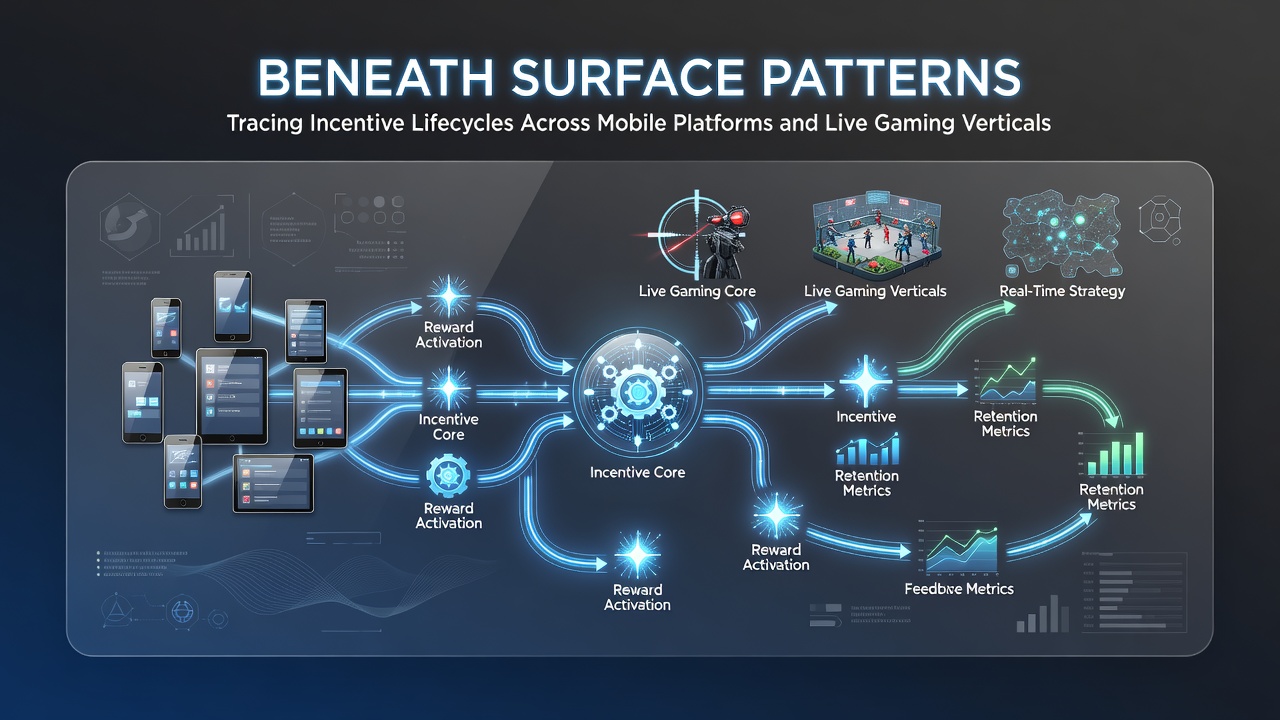
Observers in the gaming sector have documented distinct patterns in how incentives evolve through defined stages from initial player acquisition through sustained engagement and eventual renewal cycles. These lifecycles operate differently yet show measurable overlaps when examined across mobile platforms and live gaming verticals, where data collection systems track progression from entry-level rewards to complex loyalty structures.
Mapping the Initial Acquisition Stage
Research indicates that incentive programs begin with acquisition mechanics designed to draw users onto mobile applications or into live environments, and studies from 2025 demonstrate that mobile platforms often deploy time-limited entry rewards that transition into live vertical integrations within the first 30 days of activity. Those who have analyzed user datasets note that live gaming verticals frequently mirror these entry points through synchronized promotions that activate upon cross-platform verification, creating a unified starting point for lifecycle tracking.
Transition Into Active Engagement Phases
Figures from industry reports reveal that once acquisition completes, incentives shift toward engagement metrics where mobile systems emphasize session frequency while live verticals focus on duration and interaction depth, yet both channels feed into shared progression models that researchers have traced through behavioral logs. Data collected as of July 2026 shows increasing convergence, with mobile-triggered challenges unlocking live event access and live participation generating mobile-exclusive multipliers that extend the active phase across both domains.
Retention and Maturation Patterns
Analysts have observed that retention incentives follow predictable maturation arcs, starting with frequency-based rewards and advancing to tiered structures that reward cumulative activity, and evidence from platform analytics indicates mobile environments accelerate this maturation through algorithmic personalization while live verticals rely on event-driven triggers to maintain momentum. One study of cross-vertical data flows found that players who advance through mobile retention layers demonstrate higher persistence rates when entering live sessions, suggesting interconnected pathways that sustain the overall lifecycle.
Decline, Renewal, and Cross-Vertical Feedback Loops
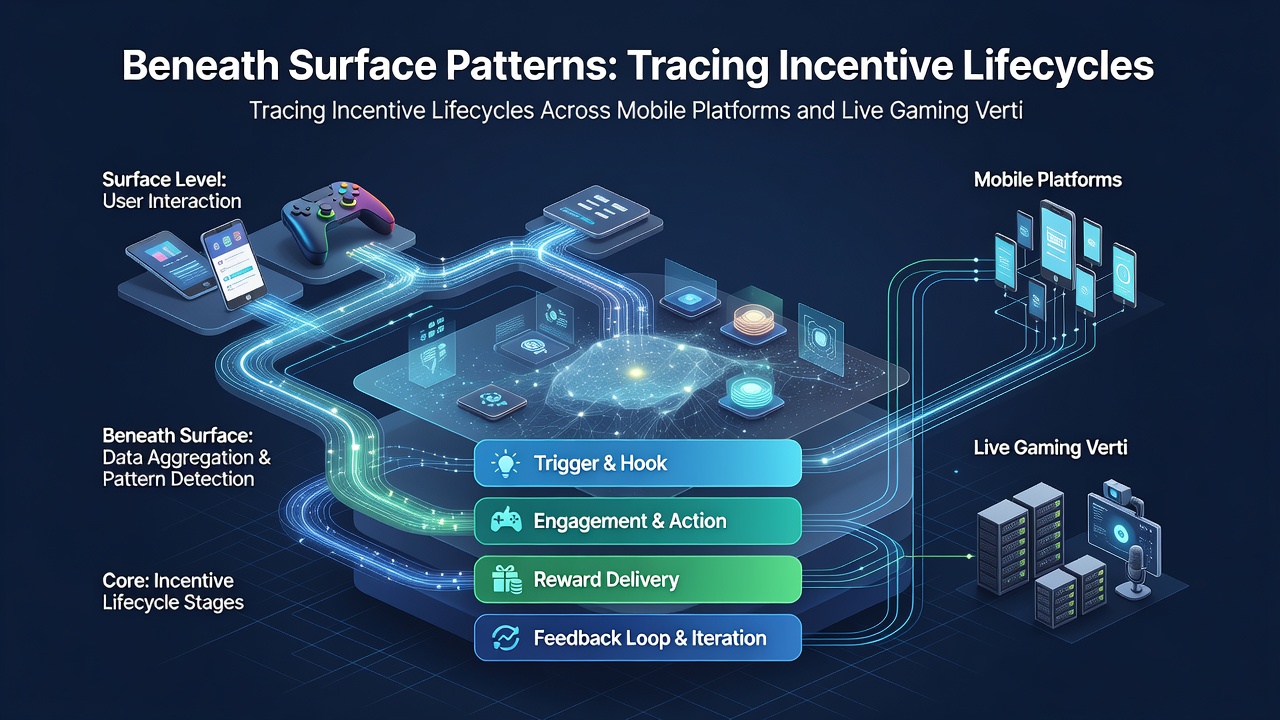
Patterns in the decline phase show that incentives lose effectiveness when progression stalls, prompting renewal mechanisms that reset or reconfigure reward structures, and according to findings from the American Gaming Association, mobile platforms detect early decline signals through usage drops while live verticals identify them via participation gaps, enabling coordinated renewal offers that reconnect users across channels. Those tracking these loops report that successful renewals often involve hybrid incentives that blend mobile convenience with live exclusivity to restart the cycle.
Data Integration Across Platforms
Technical examinations of incentive systems highlight how unified data platforms allow lifecycle tracing that spans mobile and live environments, where individual player profiles accumulate activity signals from both sources to inform next-stage rewards. Reports from European sources such as the European Gaming and Betting Association document rising adoption of these integrated systems, which produce clearer visibility into how incentives migrate between verticals without losing continuity.
Conclusion
The documented patterns demonstrate that incentive lifecycles in mobile platforms and live gaming verticals follow interconnected stages shaped by acquisition, engagement, retention, and renewal processes, with data systems increasingly capable of mapping progression across both domains as of July 2026. Continued analysis of these flows provides measurable insight into how incentives adapt and persist through player journeys in evolving gaming landscapes.