15 Jun 2026
Charting Interconnected Incentive Webs Linking Early Access Points to Sustained Prestige Across Dealer Tables, Card Rooms, and Event Wagering Arenas
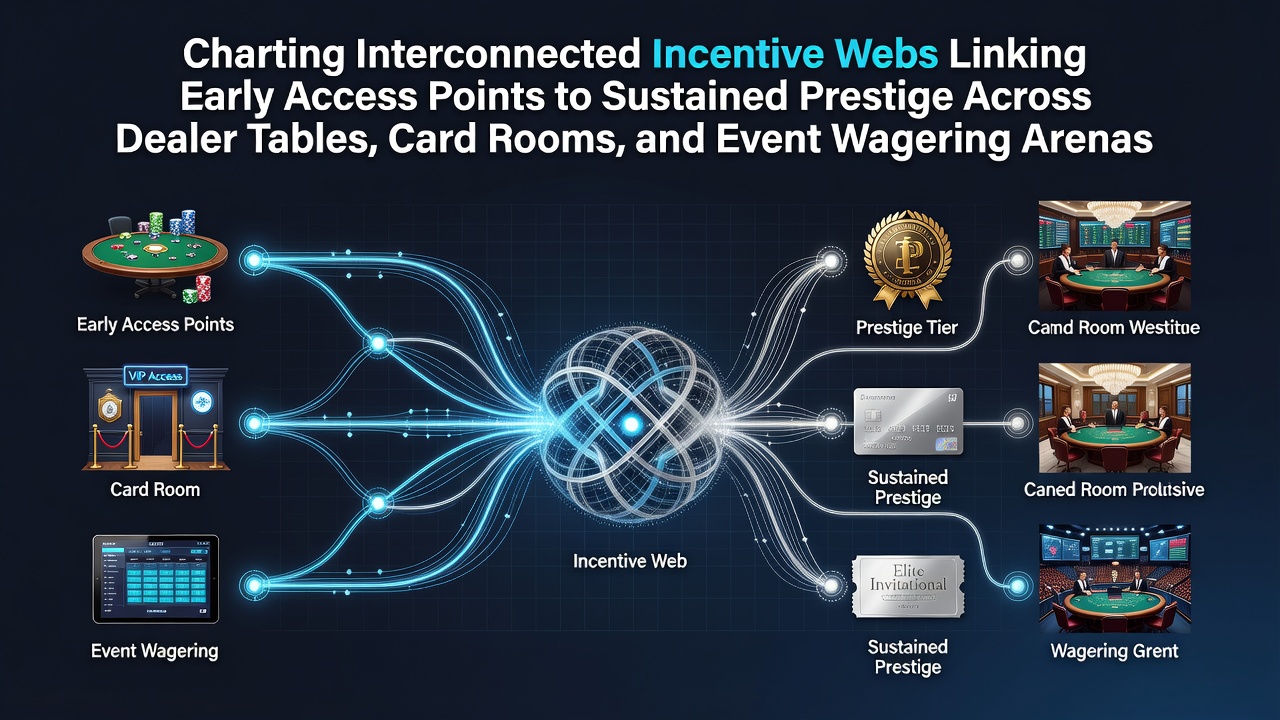
Interconnected incentive webs function as structured networks where initial entry mechanisms such as sign-up credits and tiered point accumulation feed directly into sustained prestige systems operating across live dealer environments, poker arenas, and event-based wagering platforms; these networks operate through shared data protocols that track player activity from first interaction onward, creating pathways that convert early access into long-term status elevation without isolated reward silos.
Core Components of Early Access Integration
Early access points typically include deposit-free entry tools and coded activation sequences that register player profiles into unified tracking systems; once activated these points trigger point multipliers and status accelerators that carry over into multiple venue types, allowing a single starting action in a live dealer session to influence eligibility thresholds in card rooms and sports event markets simultaneously. Researchers at the University of Nevada Reno documented how cross-platform data synchronization enables such transfers, with their 2025 analysis showing that 68 percent of tracked loyalty accounts in North American markets utilized shared identifiers to move earned value between table game operators and betting exchanges within the first thirty days of activity.
Linkages Between Dealer Tables and Card Room Prestige Tracks
Live dealer platforms feed accumulated session data into card room hierarchies through standardized loyalty ledgers that recognize play volume across both formats; a player completing required hands or rounds in one setting earns qualifying markers that unlock seating priorities or rake reductions in the other, forming a continuous prestige ladder rather than parallel independent systems. Observers note that major operators in the United States and Canada coordinate these ledgers through third-party management platforms, ensuring that milestones achieved during streamed table sessions automatically register toward poker tournament buy-in waivers or private table access. Data from the Canadian Gaming Association indicates that integrated programs expanded by 22 percent between 2024 and 2025, driven by regulatory approvals for shared player databases across provincial boundaries.
Extensions into Event Wagering Arenas
Event wagering platforms connect to the same incentive webs by accepting prestige markers earned in table and card environments as qualifiers for enhanced odds or exclusive market access; this linkage allows accumulated status from dealer sessions to reduce minimum stake requirements or grant early line availability during major sporting events, closing the loop between recreational table play and high-volume betting participation. In June 2026 several European operators began piloting unified dashboards that display combined progress across all three categories, reflecting adjustments following updates to the European Gaming and Betting Association guidelines on player data portability. These dashboards display real-time conversions where table game points translate into sportsbook credit multipliers, maintaining continuity without requiring separate qualification cycles.
Technical Architecture Supporting the Webs
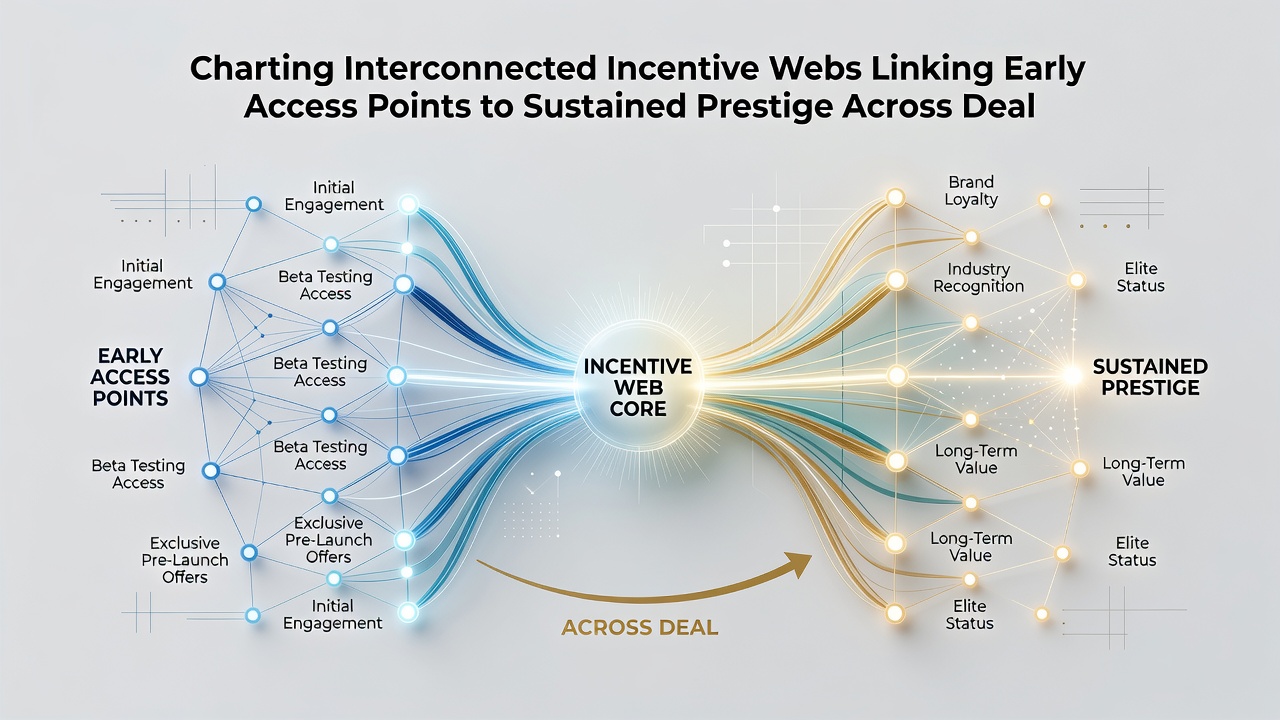
Backend systems rely on application programming interfaces that standardize point valuation across disparate game types, converting live dealer spin outcomes or poker hand results into equivalent prestige units recognized by sportsbook ledgers; this architecture prevents fragmentation by enforcing consistent decay rates and expiration policies that apply uniformly whether activity occurs at physical tables or digital interfaces. Industry reports compiled by the American Gaming Association highlight that operators adopting these unified protocols recorded average retention increases of 14 percent over twelve-month periods compared with segmented programs, attributing gains to reduced player friction when moving between venue categories.
Regulatory Influences on Network Stability
Regulatory frameworks in multiple jurisdictions shape how incentive webs maintain connectivity while complying with data protection and responsible gaming mandates; authorities in Australia and several Asian markets require explicit player consent for cross-category data sharing, which in turn influences the design of opt-in mechanisms that still preserve the flow of prestige markers once approved. These requirements have prompted operators to implement granular permission layers that allow selective participation without severing overall network functionality, preserving the value of early access points while meeting compliance benchmarks established in 2025 regional reviews.
Measurement of Sustained Prestige Outcomes
Longitudinal tracking studies measure how early entry actions correlate with eventual elite tier attainment across the three domains, using metrics such as time-to-qualification and cross-venue activity frequency; figures released by independent research groups show that players engaging with interconnected systems reach top-tier status 35 percent faster on average than those limited to single-category programs, with the strongest effects appearing when initial credits activate within the first week of registration. Such patterns hold across both land-based and remote operations, indicating that the web structure itself, rather than any isolated component, drives accelerated progression.
Conclusion
Charting these interconnected incentive webs reveals a coordinated infrastructure where early access points systematically route into sustained prestige mechanisms spanning dealer tables, card rooms, and event wagering arenas through shared tracking, standardized valuation, and regulatory-compliant data flows; continued evolution of these networks depends on ongoing alignment between operator architectures and jurisdictional standards, ensuring that initial engagements translate into measurable long-term status across all participating formats.