25 Jun 2026
Charting sequences of coded entry points that escalate participation levels across streaming table sessions, strategic card circuits, and event prediction networks
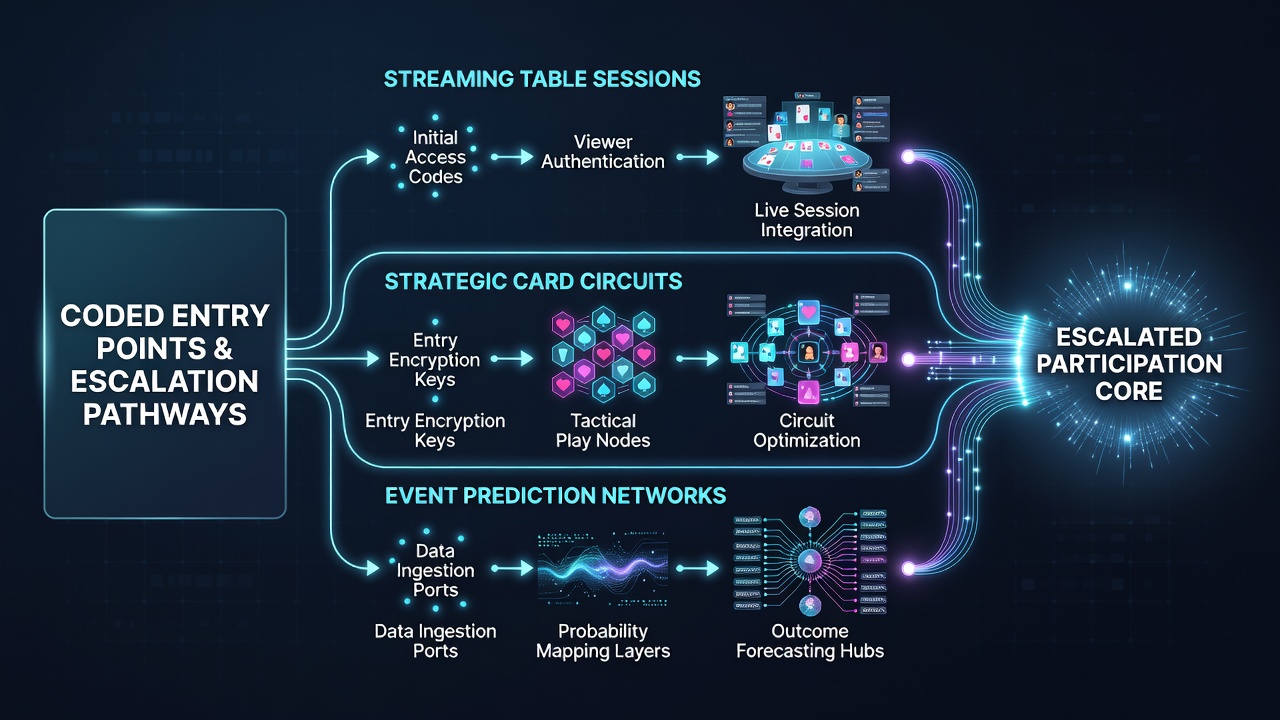
Platforms that manage live dealer environments, competitive card play, and prediction-based wagering have developed structured pathways where initial coded entries lead users through successive stages of involvement, and these pathways rely on sequential triggers that adjust access rights based on prior activity patterns. Observers note that entry sequences often begin with simple alphanumeric strings distributed through affiliate channels or platform notifications, while later stages require combinations of completed tasks and additional codes to unlock elevated participation tiers. Data collected across multiple operators shows consistent growth in session duration once users progress past the second or third coded milestone, particularly when the codes align with time-limited events in June 2026.
Mapping Initial Triggers in Streaming Table Sessions
Streaming table sessions incorporate coded entry points that grant immediate access to dealer-hosted games, and these codes frequently include embedded parameters that track user origin and session length. Researchers tracking platform logs have documented how a single starting code can route participants into loyalty tracking systems that record every subsequent action, creating a cumulative profile used to determine eligibility for later-stage codes. According to figures released by the Nevada Gaming Control Board in mid-2026, operators integrating these sequenced entries recorded measurable upticks in concurrent viewer counts during peak streaming hours. The process continues when users redeem follow-up codes that adjust table limits or introduce private stream options, and the transition between stages happens automatically once predefined activity thresholds are met.
Progression Through Strategic Card Circuits
Strategic card circuits apply similar sequencing methods but layer additional verification steps that require users to demonstrate consistent play patterns before advancing. Coded entries in these environments often connect tournament registration systems with cash-game tracking modules, allowing operators to escalate stakes or grant seating priority once earlier codes have been validated. Those who have examined circuit data observe that sequences spanning multiple weeks produce higher retention rates than isolated promotions, since each new code builds directly on metrics accumulated from previous entries. External reports compiled by the American Gaming Association indicate that circuits employing multi-stage code sequences experienced sustained increases in active accounts through the first half of 2026, especially when codes were tied to specific circuit events rather than generic offers.
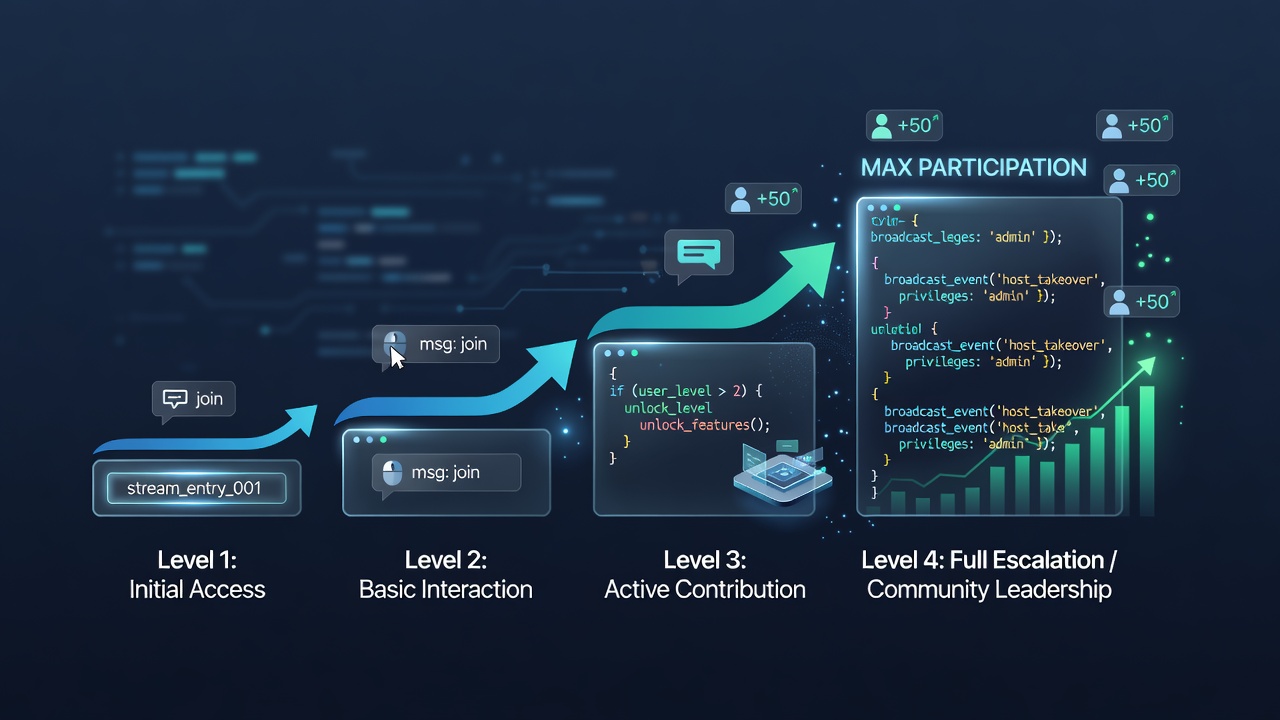
Event prediction networks extend the same logic into markets where outcomes depend on external results, and coded sequences here frequently incorporate conditional triggers that activate only after certain market movements or user prediction accuracy milestones. Analysts reviewing network traffic note that initial codes typically provide entry-level prediction credits, while subsequent codes scale both stake sizes and reward multipliers based on historical performance data tied to the same user profile. The connection between card circuits and prediction networks becomes visible when operators share user progression data across verticals, enabling a code redeemed in one environment to influence eligibility in another. This cross-network linkage has grown more common as platforms consolidate their backend systems, and records from June 2026 show expanded adoption of unified sequence tracking across betting and card products.
Data Patterns and Sequence Effectiveness
Comprehensive reviews of user journeys reveal that sequences containing between four and six distinct coded stages generate the strongest cumulative participation effects, whereas shorter sequences tend to plateau earlier. Platforms monitor conversion rates at each transition point, and adjustments to code distribution timing often occur when drop-off exceeds expected thresholds. A longitudinal study published by the University of Sydney’s Gambling Research Centre found that sequenced entries maintained higher engagement continuity across different product categories compared with non-sequential alternatives, particularly when codes were delivered through in-app notifications rather than external emails. These patterns hold across regions where operators maintain detailed progression logs, and the data continues to inform refinements in how codes are generated and validated.
Integration With Broader Platform Ecosystems
Operators have begun embedding sequence tracking into unified account dashboards that display progress across streaming tables, card circuits, and prediction networks simultaneously. This integration allows a single user profile to carry forward milestones achieved in one vertical, reducing friction when users shift between product types. Technical documentation from platform providers shows that application programming interfaces now support real-time validation of prior codes, enabling instant recognition of completed stages without manual intervention. As regulatory frameworks in multiple jurisdictions require clearer disclosure of progression mechanics, operators have adjusted sequence designs to include visible status indicators that update after each successful code redemption.
Conclusion
Sequences of coded entry points function as structured navigation systems that guide users through increasing levels of involvement in streaming table sessions, strategic card circuits, and event prediction networks. The mechanisms rely on interconnected triggers that accumulate activity data and adjust access accordingly, and available records through June 2026 demonstrate measurable impacts on session metrics when these sequences are implemented consistently. Continued monitoring by regulatory bodies and academic researchers will likely shape further refinements to how these pathways are constructed and presented to participants.