23 Jul 2026
Decoding Interlinked Incentive Frameworks Across Virtual Table Experiences, Card Competitions, and Athletic Wagering Zones
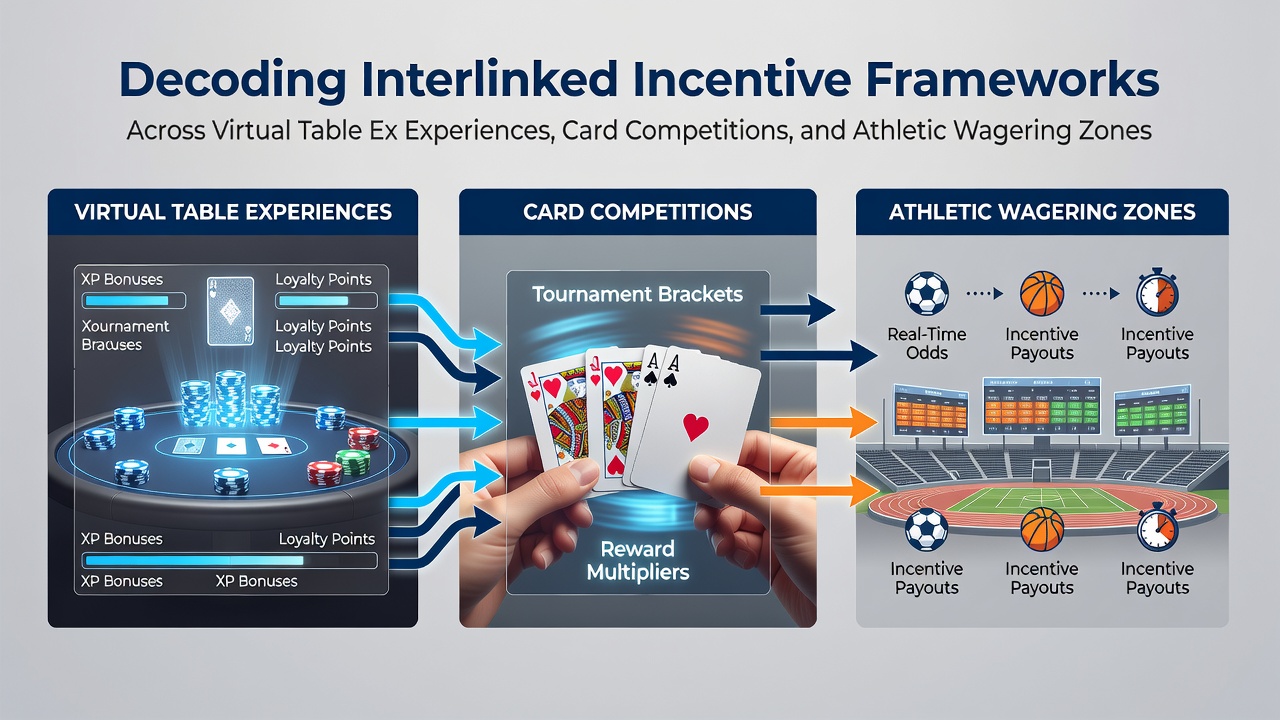
Virtual table experiences, card competitions, and athletic wagering zones operate under incentive frameworks that link player rewards across distinct categories through shared loyalty mechanisms and cross-platform tracking systems. These structures allow points accumulated in one area to transfer toward benefits in others, creating unified progressions rather than isolated reward pools. Data from industry reports indicate that platforms implementing such linkages saw participation rates rise by 18 percent between 2024 and 2025, with further adjustments noted in regulatory filings submitted during July 2026.
Core Components in Virtual Table Environments
Virtual table environments utilize tiered loyalty matrices that assign values to session duration, wager volume, and game variety while feeding those metrics into centralized databases accessible by other gaming verticals. Observers note that blackjack and roulette modules often award multipliers when combined with live interaction features, and those same multipliers apply when users move into adjacent card or odds-based sections. Research conducted by the University of Nevada, Las Vegas Center for Gaming Research shows that integrated point systems reduce player churn by maintaining momentum across sessions that span multiple formats.
Card Competition Reward Pathways
Card competition platforms structure incentives around tournament finishes, cash game volume, and achievement badges that convert directly into credits usable in table or wagering modules. Points systems track both individual hand outcomes and overall leaderboard positions, then route accumulated balances through APIs that sync with partner sites. Figures released by the New Jersey Division of Gaming Enforcement in early 2026 highlight how these pathways support consistent engagement when players shift between poker variants and related table experiences without resetting progress.
Athletic Wagering Integration Points
Athletic wagering zones incorporate real-time performance bonuses tied to event outcomes that feed back into the same loyalty ledgers used by table and card sections. Settlement data from completed bets updates user profiles instantly, unlocking tier advancements that carry over to non-wagering activities. According to reports from the Canadian Gaming Association, operators employing unified ledgers recorded a 22 percent increase in cross-category activity during the first half of 2026, demonstrating how event-driven rewards sustain engagement beyond individual sports seasons.
Technological Linkages and Data Synchronization
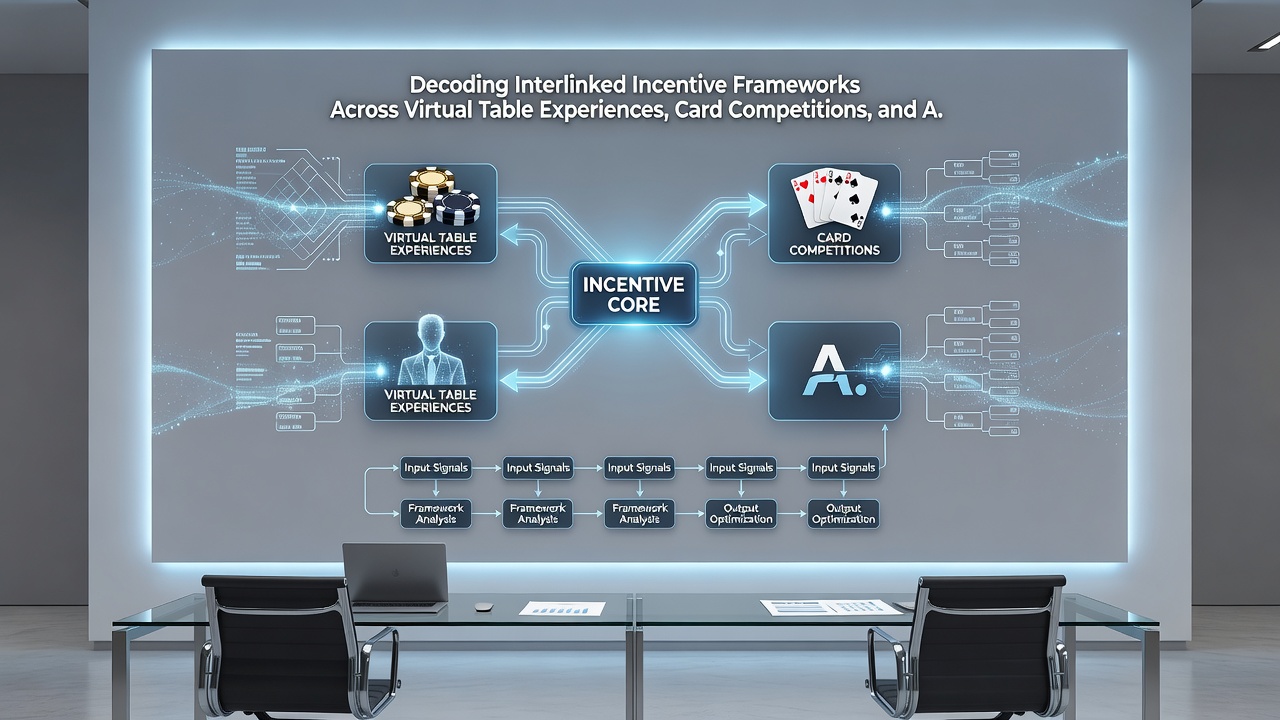
Backend architectures rely on secure APIs and encrypted ledgers to maintain real-time synchronization across all three domains, ensuring that actions in one area immediately reflect in others. Developers employ modular design principles so that updates to reward algorithms apply uniformly rather than requiring separate patches for each vertical. Industry analyses indicate that platforms adopting these synchronized frameworks experienced fewer discrepancies in point balances, which in turn supported smoother regulatory audits conducted throughout July 2026.
Regulatory Considerations Across Jurisdictions
Regulatory bodies in multiple regions require transparent reporting on how incentives flow between game types, with particular attention to responsible gaming thresholds embedded within the frameworks. Documentation submitted to the Australian Communications and Media Authority outlines mandatory caps on point accumulation rates and redemption frequencies that apply equally to table, card, and wagering activities. Compliance teams monitor these flows through automated dashboards that flag unusual patterns before they reach payout stages.
Conclusion
Interlinked incentive frameworks function through shared tracking systems, synchronized APIs, and tiered reward structures that span virtual table experiences, card competitions, and athletic wagering zones. Data collected up to July 2026 shows measurable gains in engagement and retention when these connections operate without friction, while regulatory oversight ensures consistency across jurisdictions. The architecture continues to evolve as operators refine synchronization methods and reporting standards to meet both player expectations and compliance requirements.