29 Jun 2026
Examining Interconnected Reward Pathways Across Portable Applications for Table Games and Event-Based Wagering Platforms
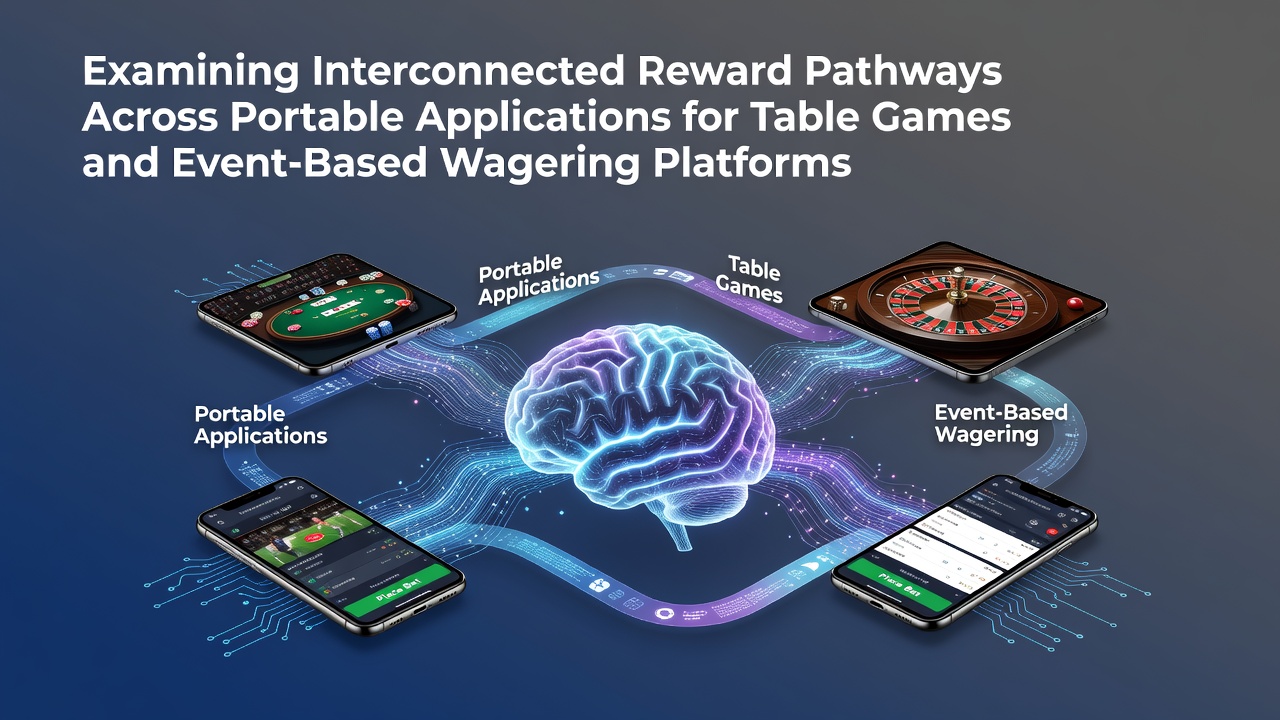
Portable applications serving table games and event-based wagering platforms maintain reward pathways that link player actions across separate interfaces, allowing points earned through one activity to influence access or benefits in another. These connections operate through shared loyalty frameworks where table game sessions generate credits transferable to event wagering modules, and vice versa, within the same ecosystem or partnered networks. Research from the University of Nevada, Las Vegas International Gaming Institute shows that such integration patterns emerged prominently after 2023 as operators consolidated mobile offerings to streamline user retention across verticals.
Mechanics of Reward Accumulation in Table Game Applications
Table game applications track participation metrics including hand volume, session duration, and strategic decisions to award layered rewards, while interconnected systems convert these outputs into usable assets for event-based platforms. Users accumulate tiered points through repeated blackjack or roulette engagements, then redeem portions of those holdings for enhanced odds or reduced entry thresholds in live event markets. Systems often employ API bridges that sync balances in real time, ensuring that progress made during a morning table session registers immediately for afternoon wagering adjustments.
Integration Patterns in Event-Based Wagering Platforms
Event-based wagering applications receive inputs from table game reward pools through standardized transfer protocols that maintain balance parity across devices. Data from the New Jersey Division of Gaming Enforcement indicates that by June 2026, over 60 percent of licensed mobile operators had implemented bidirectional point exchanges between table modules and sports or event betting sections. Participants who build substantial holdings in table environments gain eligibility for boosted multipliers on specific event outcomes, creating measurable cross-activity value flows that operators monitor through centralized dashboards.
Cross-Platform Synchronization Technologies
Developers deploy cloud-based ledgers and tokenization methods to connect reward ledgers without requiring separate logins for each vertical. These technologies enable automatic recognition of user status levels when switching between table game lobbies and event wagering interfaces, preserving accumulated benefits such as accelerated point multipliers or exclusive market access. Observers note that synchronization reduces friction for users who alternate between game types within single sessions, as the underlying architecture treats all activities as contributions to a unified profile score.
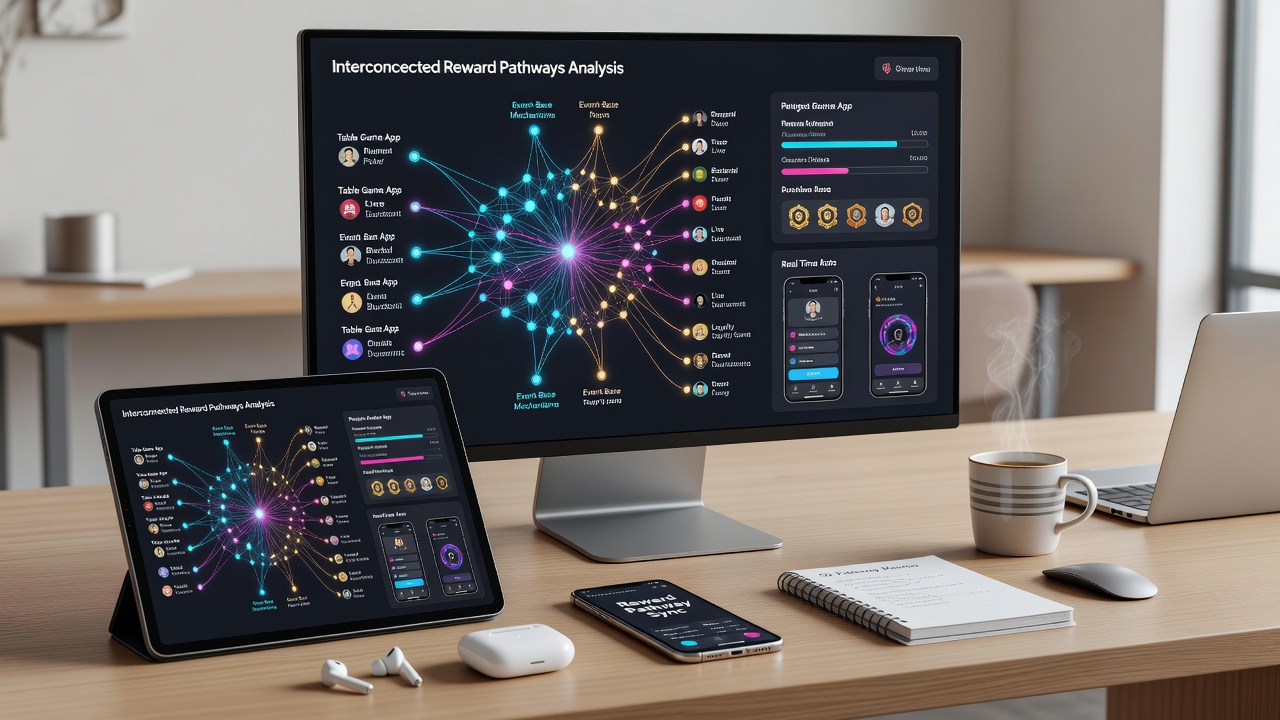
Security protocols embedded in these pathways include encryption standards and multi-factor verification steps that validate transfers before they complete, protecting account integrity while supporting high-volume exchanges. The American Gaming Association reports that adoption of these protocols correlates with increased average session lengths across combined table and event platforms, as users explore multiple activities without resetting progress.
Regional Variations in Pathway Implementation
Implementation differs by jurisdiction, with North American operators emphasizing rapid point transfers for table-to-event shifts, whereas European frameworks often prioritize regulatory audit trails that log every exchange. Australian regulatory bodies have documented similar connectivity features in licensed apps, where event wagering rewards feed back into table game bonus structures at predefined ratios. These variations reflect local compliance requirements yet converge on the common goal of maintaining continuous engagement across portable interfaces.
Data Trends Observed Through Mid-2026
Industry figures released in June 2026 reveal that interconnected pathways now account for approximately 35 percent of total loyalty redemptions in multi-vertical mobile environments. Users who engage both table games and event wagering within the same application demonstrate higher retention rates compared with those limited to single categories, according to aggregated operator analytics shared through trade associations. The patterns suggest that reward connectivity functions as a retention mechanism by allowing flexible movement between activity types without loss of accumulated value.
Conclusion
Interconnected reward pathways across portable applications for table games and event-based wagering platforms operate through synchronized point systems, API integrations, and unified user profiles that enable seamless value transfer between activity types. These structures have expanded steadily, supported by technological advancements and regional regulatory adaptations, resulting in measurable shifts in how participants navigate combined gaming and wagering environments. The documented growth in cross-activity redemptions through June 2026 underscores the established role of such pathways in contemporary mobile gaming ecosystems.