20 Jun 2026
Interwoven Reward Networks Connecting Sign-Up Advantages to Specialized Access in Mobile-Enabled Table Simulations, Strategy Contests, and Match Forecasts
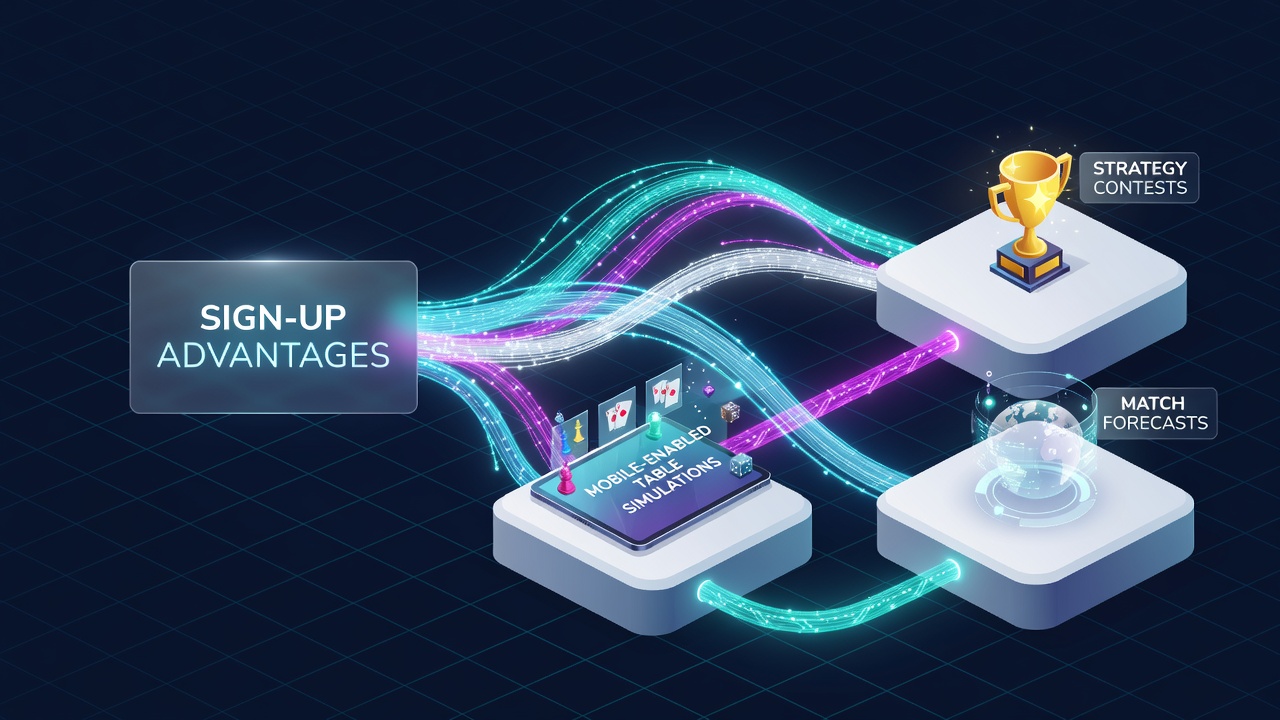 Platform operators have developed reward structures where initial sign-up advantages feed directly into layered access systems, and these networks link mobile table simulations with strategy contests plus match forecasts through shared progression mechanics. Data from industry tracking services indicates that participants who activate entry-level offers gain incremental permissions that unlock higher-tier features across multiple game categories without requiring separate registrations for each segment. Sign-up advantages typically include credit allocations or spin packages that activate upon account verification, while these elements often carry built-in pathways to specialized sections. Observers note that once users complete basic onboarding steps, the same reward ledger tracks activity in table simulations, which encompass digital versions of roulette, blackjack, and baccarat accessible through smartphone interfaces. Those who engage with these simulations accumulate metrics that automatically qualify them for entry into strategy contests, where poker variants and tournament formats operate under unified loyalty tracking. Mobile-enabled environments accelerate the connections because device-based applications consolidate multiple verticals into single dashboards, and this consolidation allows real-time updates to reward balances across table, contest, and forecast modules. Figures from the American Gaming Association reveal that integrated mobile platforms recorded participation growth in combined game types during the first half of 2026, with June 2026 showing particular increases in cross-category progression among users who started with deposit-free incentives.
Pathways Through Table Simulations
Table simulations on mobile devices function as foundational layers in these networks because they require lower initial commitments yet feed data into broader reward engines. Users who apply sign-up credits to simulation rounds generate playthrough records that platforms convert into contest eligibility points, and the same records influence access thresholds for predictive tools in match forecasts. Research from the University of Nevada Gaming Innovation Lab demonstrates that simulation activity correlates with faster advancement rates in linked contest environments, particularly when operators synchronize reward ledgers across applications. Operators maintain these connections through centralized account profiles that log every simulation outcome alongside contest participation adn forecast selections. This centralization ensures that advantages earned in one area transfer without manual intervention, while users navigate between sections via menu structures that highlight available unlocks based on cumulative activity.Integration With Strategy Contests
Strategy contests, including multi-table poker events and skill-based tournaments, receive participants from table simulation pathways because reward networks flag eligible accounts automatically. Data indicates that players who reach certain simulation volume thresholds receive contest entry tickets or reduced buy-in options, and these transfers occur seamlessly within the same mobile session. The process creates a feedback loop where contest performance then boosts metrics that enhance access to premium forecast features such as advanced analytics dashboards. In June 2026 several operators updated their systems to display unified progress bars that span all three categories, allowing users to visualize how simulation play contributes to contest unlocks and forecast privileges simultaneously. This visual integration reduces fragmentation and keeps participants oriented within the larger network structure.