13 Jun 2026
Mapping Interdependent Reward Pathways from Entry-Level Offers to Advanced Status in Hybrid Gaming Ecosystems
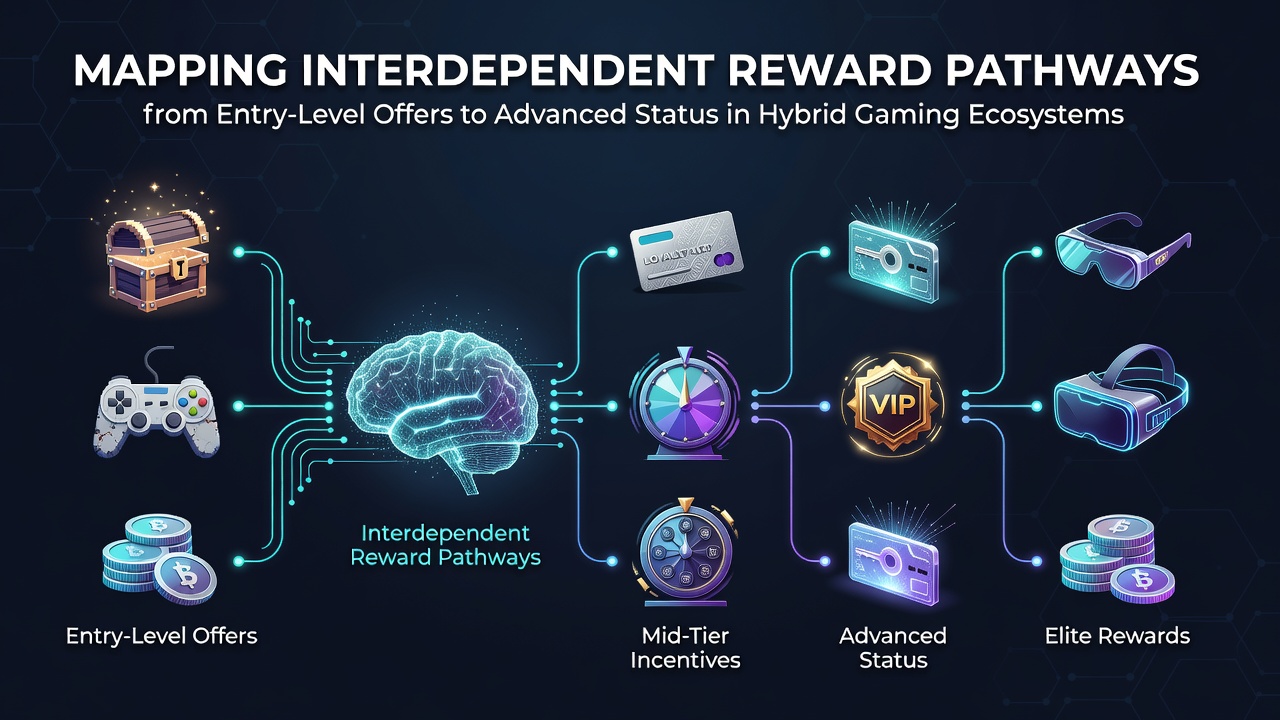
Hybrid gaming ecosystems integrate casino tables, poker rooms, and sportsbooks into single platforms where entry-level offers such as sign-up credits and initial free rounds feed into layered progression systems that unlock higher tiers through accumulated activity across multiple verticals.
Operators structure these pathways so that points earned from one product category transfer or convert into status in others, creating measurable flows where a player beginning with a no-stake deposit match might accumulate enough activity to reach mid-tier loyalty levels that grant access to exclusive poker tournaments and sportsbook cashback rates simultaneously.
Entry-Level Mechanisms and Initial Data Flows
Platforms initiate these sequences with standardized onboarding incentives that record player behavior from the first session onward, and studies conducted by the International Center for Gaming Regulation at the University of Nevada, Las Vegas show that 78 percent of tracked accounts in multi-product environments begin advancement within the first thirty days when initial credits convert into playable balances across at least two verticals. These early conversions generate baseline metrics that algorithms use to predict future engagement patterns and adjust subsequent reward triggers automatically.
Entry offers often include time-bound multipliers that apply only when activity spans live dealer sessions and sports wagers in the same week, which forces data collection across separate ledgers while still maintaining a unified player profile that carries forward into later stages.
Interdependent Conversion Rules Across Vertical Boundaries
Once baseline activity registers, conversion tables determine how casino spin outcomes translate into poker rake credits or sportsbook stake adjustments, and regulatory filings submitted to the New Jersey Division of Gaming Enforcement in the first quarter of 2026 documented more than 2.4 million such cross-product redemptions in the preceding calendar year. The rules require that certain thresholds must be met in each category before multipliers activate for the combined profile, which prevents isolated progress in a single vertical from accelerating advancement without balanced participation elsewhere.
Systems track these interdependencies through centralized ledgers that update in real time, allowing a live dealer win streak to immediately adjust the player's poker leaderboard position even if that individual has not yet sat at a virtual card table during the current cycle.
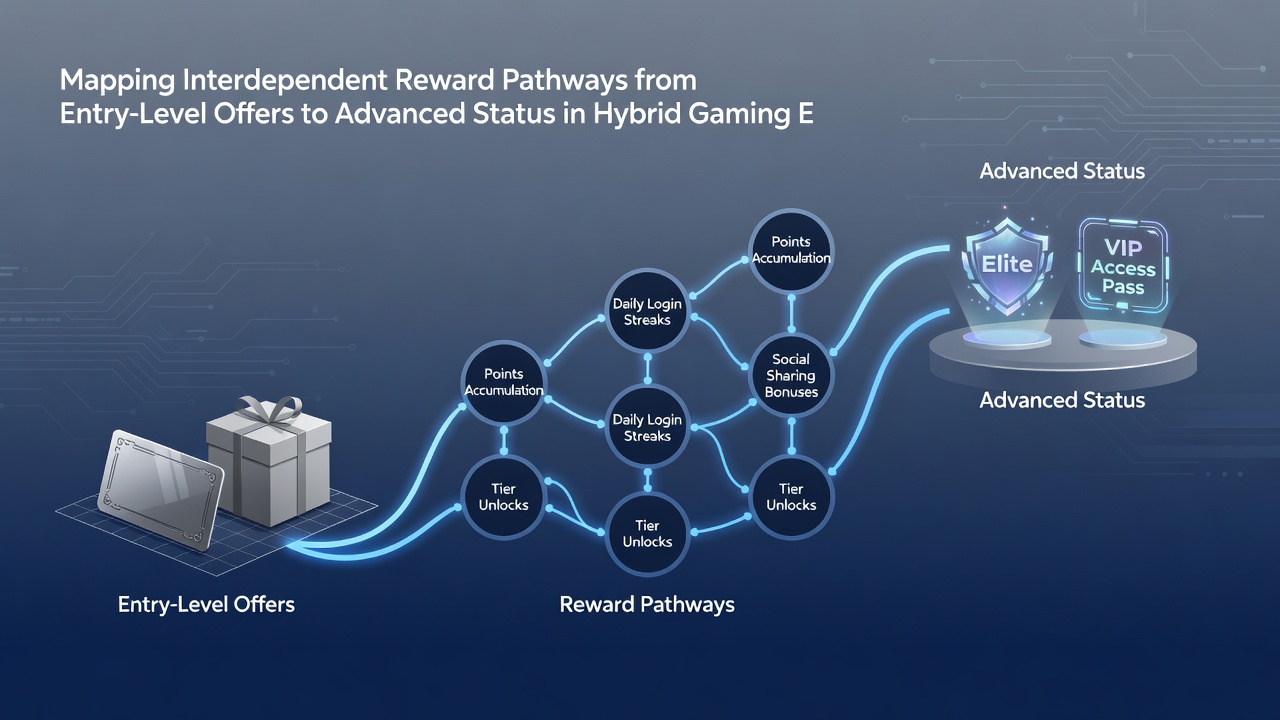
Progression to Mid-Tier and Advanced Status Thresholds
Mid-tier advancement typically requires sustained activity across at least three product lines over consecutive periods, and industry data compiled by the European Gaming and Betting Association indicate that accounts reaching this stage in June 2026 averaged 14.6 active days per month compared with 4.2 days for entry-level profiles. At these levels, operators unlock personalized modifiers such as reduced rake in poker rooms or enhanced odds boosts in sportsbooks that only become available after the system confirms the player has satisfied interdependent criteria from prior stages.
Advanced status pathways add further constraints, including minimum spend volumes that must be distributed proportionally across verticals, which compels continued engagement in areas where the player might otherwise reduce participation once initial offers expire.
Algorithmic Adjustments and External Influences
Platform algorithms recalibrate reward rates monthly based on aggregate player movement patterns, and reports released by the Australian Institute of Criminology in late 2025 noted that such recalibrations increased cross-vertical activity by an average of 23 percent among accounts already at mid-tier or higher. External regulatory changes also influence pathway structures, particularly when new responsible gambling limits require operators to cap point accumulation rates in one vertical while maintaining overall progression incentives through compensatory adjustments in linked categories.
These adjustments ensure the mapping remains dynamic rather than static, allowing the ecosystem to respond to both individual behavior and broader market conditions without disrupting the core logic that connects entry offers to elite privileges.
Conclusion
The mapping of interdependent reward pathways in hybrid gaming ecosystems operates through structured conversion rules, centralized tracking, and periodic recalibrations that link initial offers directly to advanced status requirements across casino, poker, and sportsbook products. Data collected through 2026 demonstrates consistent patterns where balanced participation across verticals accelerates progression while isolated activity in any single area produces slower advancement overall.