Mechanics Behind App-Driven Reward Sequences That Bridge Introductory Table Access with Advanced Betting Achievements
Frankie Lorenz · Aug 27, 2026
Mechanics Behind App-Driven Reward Sequences That Bridge Introductory Table Access with Advanced Betting Achievements
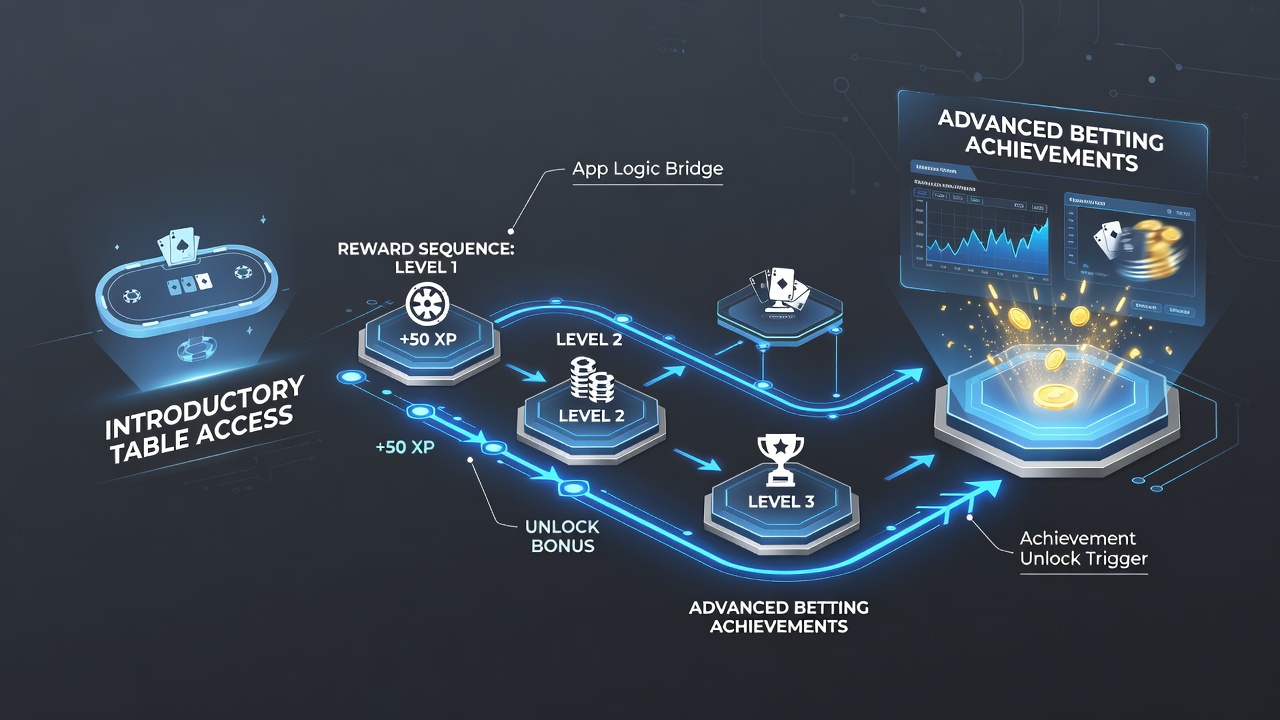
App-driven reward sequences operate through structured progressions that start with low-stakes table access and advance toward higher-volume betting formats, and these systems rely on algorithms that track user activity across sessions while adjusting reward triggers based on cumulative play data. Developers implement tiered point systems where initial table entries such as basic roulette or blackjack rounds generate entry-level credits that unlock subsequent features once specific thresholds are met, and this design creates continuous loops between introductory modules and escalated challenges. Data from industry reports indicate that such sequences often incorporate time-based resets and personalized multipliers, which maintain engagement by aligning reward delivery with patterns observed in user logs during periods like August 2026 when several platforms introduced updated tracking modules.
Core Components of Sequence Design
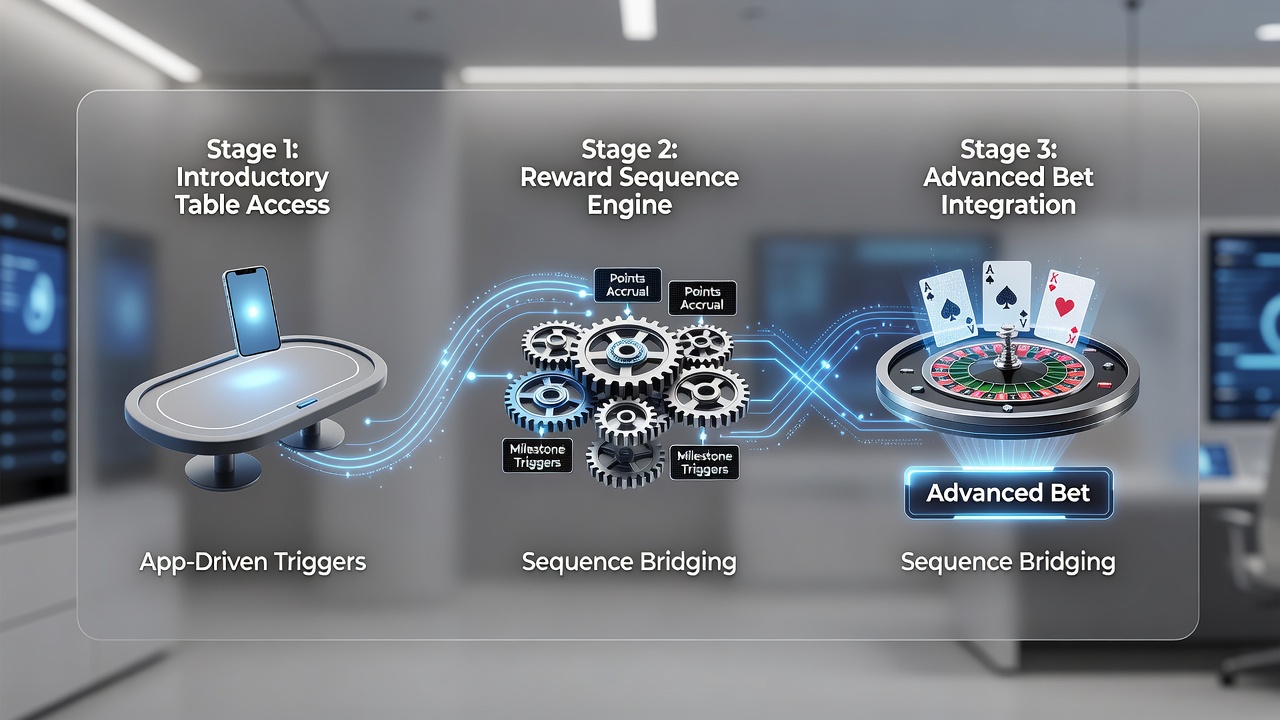
Sequence architecture begins with data collection points embedded in mobile interfaces, where each completed table round logs metrics including duration, stake size, and outcome frequency before feeding those inputs into backend processors that calculate eligibility for the next tier. Researchers at institutions such as the University of Nevada have documented how these processors apply weighted formulas that prioritize consistent participation over single-session volume, and the result is a graduated path that moves participants from free or minimal-entry table access toward structured betting ladders. Push notifications serve as external connectors in this chain, delivering timed alerts that reference prior activity and outline the exact requirements needed to advance, while in-app dashboards display visual progress bars that update in real time as users complete qualifying actions.
Transition Mechanisms from Entry-Level Tables to Advanced Betting
Transitions occur when accumulated metrics satisfy predefined criteria embedded in the app code, adn these criteria frequently combine volume-based milestones with behavioral indicators such as session frequency or diversification across game types. For instance, one documented pathway requires completion of a set number of introductory table rounds before releasing access codes for mid-tier poker variants or sports wagering modules, and the release process integrates both automated verification and optional user confirmation steps. According to findings from the Canadian Gaming Association, platforms operating in North American markets during 2026 refined these transition points to include conditional bonuses tied to cross-category play, which effectively links table-based sequences with betting achievements that demand larger capital commitments. The mechanics also incorporate fail-safes such as grace periods that allow partial progress to carry over between sessions, preventing abrupt drops that could interrupt the overall sequence flow.
Integration of External Data and Regulatory Inputs
Many sequences draw supplementary inputs from external regulatory frameworks and market analytics, and these inputs influence how reward triggers are calibrated across different jurisdictions. Platforms reference reports issued by bodies such as the Nevada Gaming Control Board to align sequence parameters with compliance standards on responsible play indicators, while simultaneously incorporating anonymized aggregate data from academic studies that examine long-term retention rates. This dual sourcing allows developers to adjust multiplier values or unlock thresholds in response to observed trends, and the adjustments often appear as incremental updates rolled out during specific windows like the summer months of 2026. Observers note that such integration reduces the likelihood of sequence breakage when users shift between device types or regional access points.
Technical Implementation Details
Backend servers handle the heavy computation through event-driven architectures that process each table interaction as a discrete event, and these events trigger conditional checks against stored user profiles before issuing the appropriate reward token. Mobile frontends then render the outcomes using lightweight scripts that prioritize low latency, ensuring that progress updates appear instantaneous even during peak traffic periods. Code repositories maintained by development teams frequently include modular components for reward sequencing, which permits rapid deployment of new transition rules without requiring full application rebuilds. Figures from European gaming trade groups reveal that this modularity has contributed to shorter development cycles for sequence refinements introduced in mid-2026.
Conclusion
App-driven reward sequences function as interconnected systems that systematically link entry-level table participation with advanced betting structures through data tracking, tiered unlocks, and external calibration. The mechanics described rely on precise algorithmic matching of user activity to reward eligibility, supported by regulatory references and technical modularity that keep the pathways operational across evolving platform updates. Continued documentation of these processes provides clarity on how gaming applications maintain structured progression routes for participants.