Player Partnerships Pay Off: The Mechanics of Referral Programs in Modern Online Gambling
18 Apr 2026
Player Partnerships Pay Off: The Mechanics of Referral Programs in Modern Online Gambling
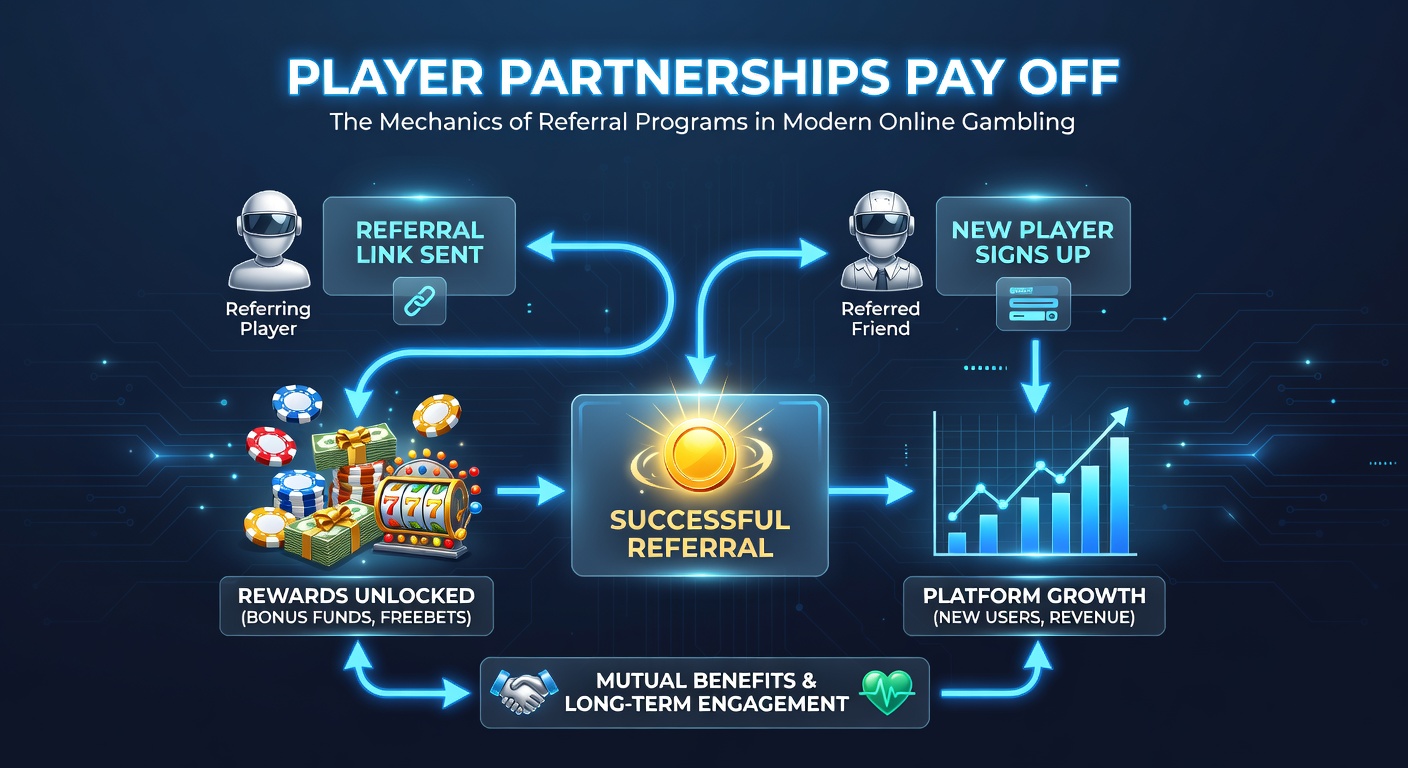
How Referral Programs Operate in Today's Online Casinos
Referral programs have become a staple in online gambling platforms, where existing players invite friends to join using unique links or codes, and both parties snag rewards once the newcomer meets certain milestones. Platforms like those regulated under the Malta Gaming Authority often structure these setups to encourage organic growth, with data from industry reports showing referral traffic accounting for up to 25% of new user acquisitions in competitive markets. Players generate a personalized referral link from their account dashboard, share it via social media, email, or messaging apps, and wait for the friend to sign up, verify identity, and complete an initial deposit or wager requirement, typically ranging from $10 to $50 depending on the site.
But here's the thing: not all programs roll out the same way; some activate bonuses instantly upon signup while others tier rewards based on the friend's activity levels, such as placing bets on slots, poker tables, or sportsbooks over the first 30 days. Turns out, this mechanic mirrors affiliate marketing models but keeps control in players' hands, fostering trust since recommendations come from peers rather than ads. Observers note how platforms track referrals through cookies or unique IDs to prevent abuse, ensuring one reward per valid signup.
Dissecting the Reward Structures That Drive Participation
Rewards in these programs vary widely, from straight cash bonuses credited to the referrer's account, free spins on popular slots, or enhanced odds on sports bets, and sites often sweeten the deal with matching bonuses for the new player to kickstart engagement. For instance, one common setup offers $50 to the referrer after the friend wagers $500, paired with 50 free spins for both; data indicates such dual incentives boost conversion rates by 40%, according to analytics from platforms operating in multiple jurisdictions.
What's interesting is the tiered progression many programs employ, where referring multiple friends unlocks escalating perks like VIP status accelerators or cashback boosts, turning casual sharers into dedicated promoters. Players who've delved into these systems often discover ongoing commissions, such as 20-30% of the friend's net losses over time, though capped to comply with fair play rules; this revenue-share model, popular in poker rooms and sportsbooks, sustains long-term motivation without upfront costs to the platform.
Real-World Examples and Player Experiences
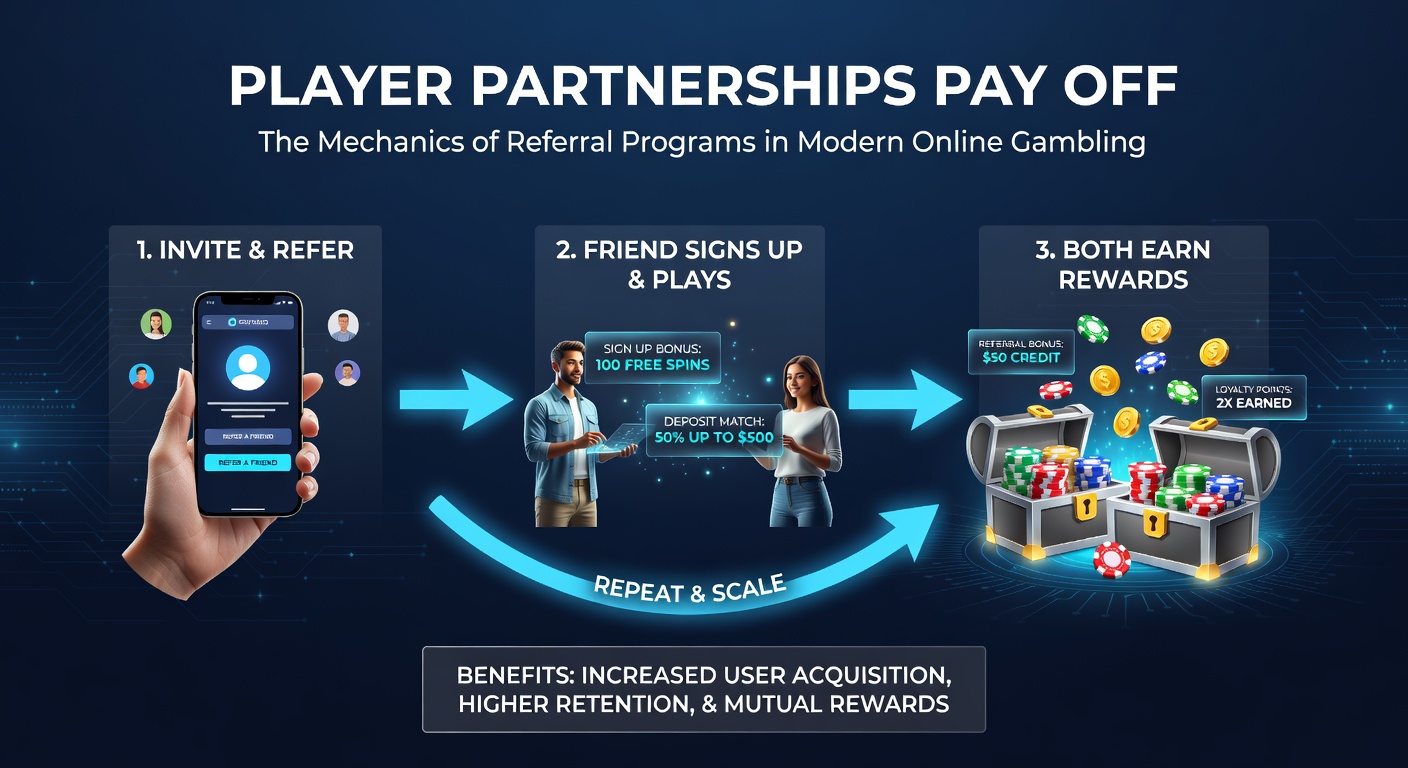
Take one poker enthusiast from Canada who referred a dozen friends through a major site's program in early 2025; after each met the $200 wager threshold, he pocketed $600 in bonuses plus entry to exclusive freeroll tournaments, illustrating how these mechanics amplify bankrolls during peak seasons. Similarly, sports betting platforms in Australia have rolled out referral boosts tied to major events, where referrers earn free bets matching 100% of the friend's first wager, up to $100, as tracked by American Gaming Association revenue reports that highlight referral-driven spikes during events like the Super Bowl.
And yet, success hinges on clear terms; programs specify wagering requirements on bonuses, usually 20-40x the amount before withdrawals, while excluding certain games to balance house edges. People familiar with these setups point out how mobile apps streamline sharing with one-tap links, leading to higher uptake among younger demographics who prefer quick, social integrations over traditional signups.
Benefits for Platforms and Players Alike
Platforms gain loyal user bases through referrals since peer-vetted signups show 30% higher retention rates than ad-acquired ones, per studies from gaming research firms; this organic expansion cuts marketing costs, which can eat up 40% of budgets otherwise. For players, the payoffs extend beyond immediate cash, offering pathways to loyalty tiers where accumulated referrals grant personalized hosts, faster withdrawals, or invite-only events, creating a cycle of mutual gains.
That's where the rubber meets the road: referrers build networks that yield passive income, while newcomers benefit from trusted intros and starter bonuses, reducing the intimidation of solo entry into live dealer games or high-stakes poker. Figures reveal that active referral participants wager 15-20% more monthly, fueling platform growth without aggressive promotions.
Navigating Regulations and Safeguards Across Borders
Regulatory bodies enforce strict guidelines to keep these programs transparent and abuse-free; for example, the New Jersey Division of Gaming Enforcement mandates clear disclosure of terms and anti-fraud measures like IP tracking, ensuring referrals don't skirt age or location verification. In the EU, operators under various national licenses require opt-in consents for data sharing in referrals, while Australian platforms via state regulators cap rewards to prevent bonus hunting.
So, platforms deploy geofencing and KYC protocols during friend verifications, voiding duplicates from the same household; this compliance not only shields users from scams but also builds credibility, as evidenced by lower complaint rates in audited programs. Experts who've analyzed these frameworks observe how self-exclusion options extend to referrals, allowing players to pause sharing features amid responsible gaming pushes.
Challenges and Strategies for Maximizing Returns
Common pitfalls include friends forgetting to use links or failing wagering goals, which stalls rewards, although savvy sharers counter this by pre-sharing terms via group chats; platforms mitigate with automated reminders and progress trackers in apps. Abuse attempts, like self-referrals, trigger account flags, with data showing less than 2% of programs facing issues thanks to AI monitoring.
Now, timing plays a role; aligning referrals with seasonal promos, such as those ramping up for April 2026 events like expanded March Madness extensions into betting frenzies, multiplies bonuses when sites stack referral credits atop event-specific free bets. Those who strategize this way often see compounded gains, turning one referral into a chain of rewards across poker, casino, and sportsbook verticals.
Emerging Trends Shaping Referral Mechanics
Blockchain integrations are emerging, allowing provably fair referral tracking on decentralized platforms, while AI personalizes invites based on player networks; looking ahead to April 2026, industry forecasts predict gamified referrals with leaderboards and NFT rewards for top referrers, driven by mobile-first shifts in markets like Ontario, Canada. Research from university gaming studies indicates these innovations could double program participation, blending social media APIs for seamless viral spreads.
It's noteworthy that cross-platform referrals, spanning apps from live dealers to esports betting, gain traction, with unified wallets enabling instant bonus transfers; this evolution keeps programs fresh, adapting to user demands for frictionless, rewarding experiences.
Conclusion
Referral programs stand as a powerhouse mechanic in modern online gambling, powering player growth through trusted networks while delivering tangible payoffs from simple shares. Data underscores their efficiency, from boosted retentions to cost savings for operators, and as regulations evolve alongside tech like AI and blockchain, these partnerships promise even richer dynamics by April 2026 and beyond. Players tapping into them strategically uncover sustainable edges, proving that in this space, who you bring along often determines how far everyone goes.