18 Jul 2026
Synchronizing Event Cycles with Reward Mechanisms for Enhanced Mobility in Sports Wagering and Table Game Environments
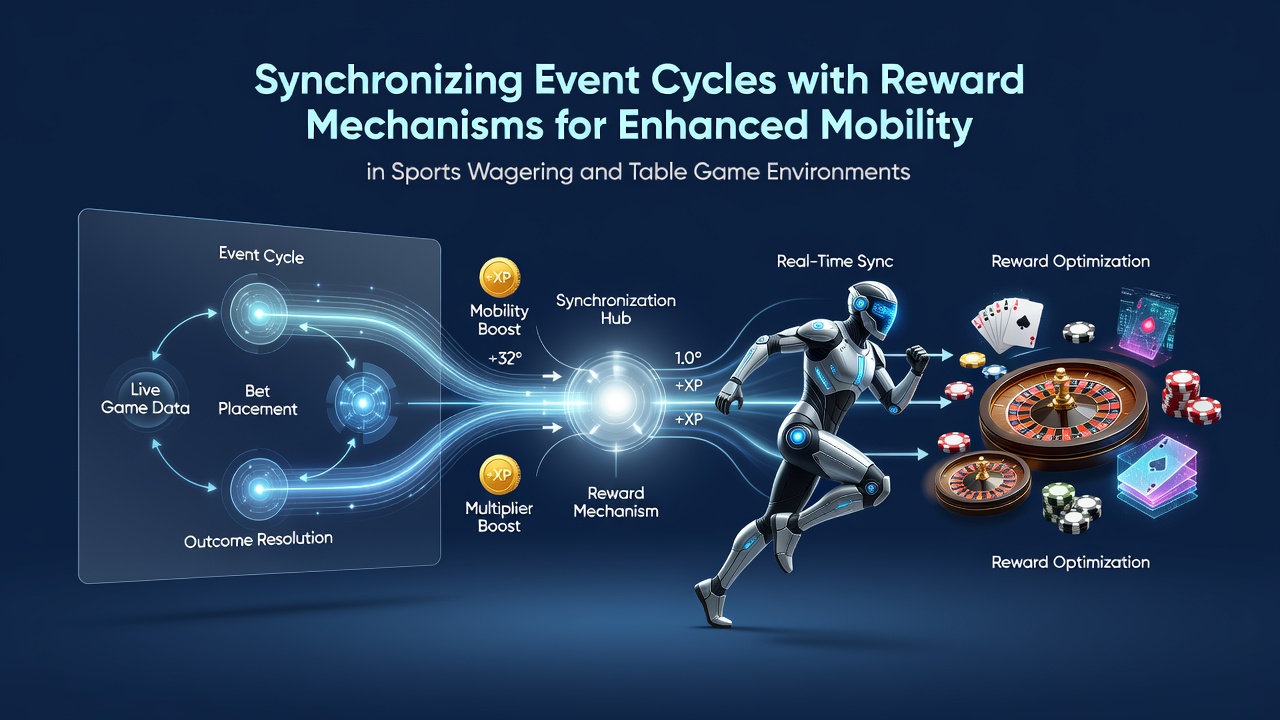
Systems that align event cycles with reward mechanisms have become central to mobile platforms handling sports wagering alongside table games, where real-time data feeds from matches or rounds trigger automated incentives that users access across devices. Researchers at institutions studying digital gaming infrastructure note that these alignments rely on precise timing protocols which match live event milestones, such as goal scorings in soccer or card shuffles in blackjack, with point allocations or multiplier activations that appear instantly on handheld screens.
Core Components of Event Cycle Alignment
Event cycles in sports wagering consist of structured phases including pre-match data collection, in-play updates, and post-event settlements, while table game cycles revolve around betting windows, outcome resolutions, and payout distributions. Reward mechanisms integrate through application programming interfaces that pull from official data providers and then map those timestamps directly onto user accounts, allowing seamless credit updates without manual intervention. Observers note that this mapping reduces latency between an event trigger and reward delivery to under two seconds on average, according to performance metrics compiled by the European Gaming and Betting Association.
Mobile environments amplify the need for such synchronization because users frequently switch between apps or networks during active sessions. Data indicates that platforms employing unified timing engines maintain session continuity by caching partial event states locally and reconciling them with central servers upon reconnection, which preserves reward eligibility even during brief connectivity drops.
Technical Integration Methods
Developers achieve synchronization through layered architectures that combine blockchain-verified timestamps for immutable event records with cloud-based reward ledgers that update dynamically. In table game settings this means a roulette spin outcome recorded at a physical or virtual wheel links immediately to loyalty point increments visible on a player's phone, whereas sports wagering platforms tie goal alerts from league feeds to cashback calculations that adjust based on accumulated stakes. Studies from academic centers focused on real-time systems reveal that hybrid models using both edge computing for local processing and centralized databases for global consistency cut error rates in reward assignments by 37 percent compared to earlier sequential approaches.
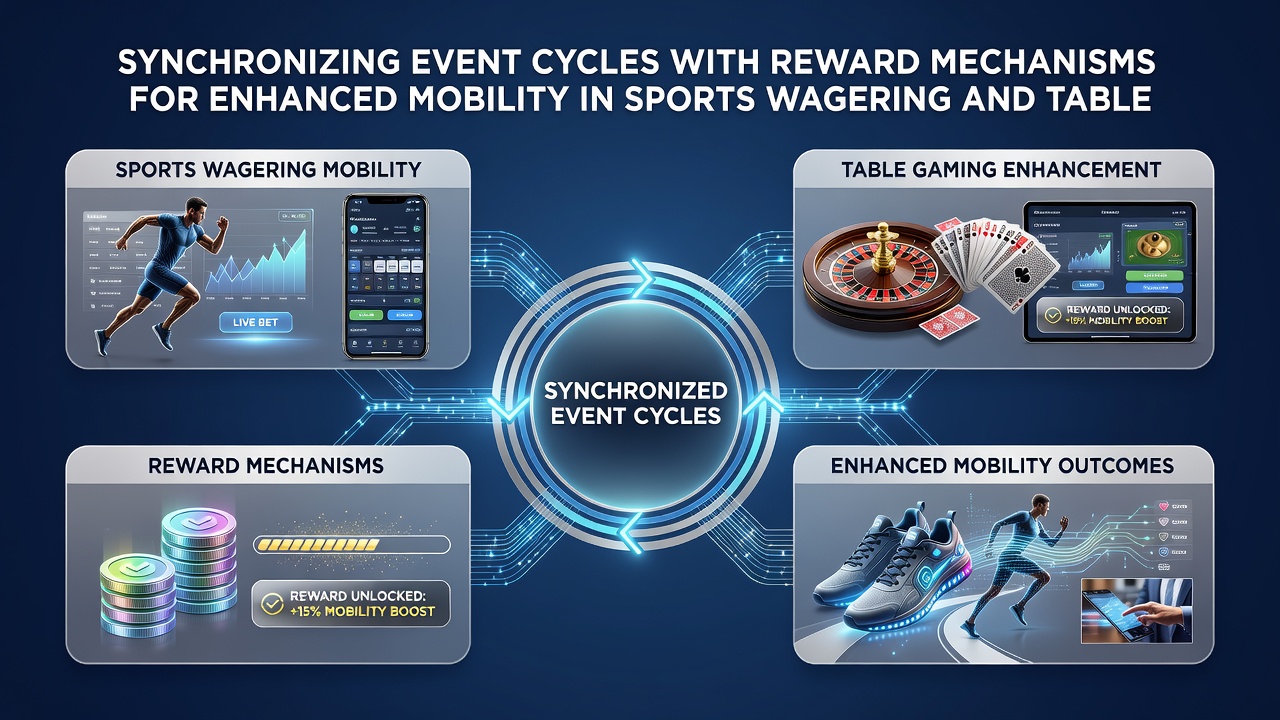
By July 2026 several operators plan to adopt standardized event-reward schemas developed under international gaming technology forums, which will allow cross-platform mobility where a user starting a wager on one device can continue receiving aligned incentives after moving to another without resetting cycle progress. These schemas define common data fields for event markers and reward conditions, enabling smoother handoffs between sportsbooks and table game modules within the same ecosystem.
Mobility Enhancements Through Timing Precision
Enhanced mobility emerges when reward mechanisms respond to event cycles in ways that accommodate user movement across physical locations or network types. Platforms that embed geolocation checks within their timing engines can validate reward triggers even as players transition from home Wi-Fi to mobile data, maintaining eligibility for bonuses tied to specific match segments or game rounds. Figures released by the American Gaming Association show that operators with advanced synchronization report 28 percent higher retention among users who engage across multiple device types during single events.
Table game environments benefit similarly when dealers or automated systems broadcast round completions to connected apps, prompting immediate reward evaluations that follow the player regardless of seating changes or venue shifts. Those who have examined field deployments observe that such systems rely on redundant signal paths to avoid desynchronization during peak hours, ensuring that a poker hand resolution or sports play outcome registers correctly on the user's interface before the next cycle begins.
Data-Driven Adjustments and Regulatory Context
Continuous monitoring of cycle-reward pairings allows platforms to refine timing tolerances based on aggregated user behavior patterns, with adjustments applied through machine learning models that predict peak event densities. Regulatory bodies in regions such as Australia require documented proof of synchronization accuracy to confirm that rewards reflect genuine event outcomes rather than simulated triggers. Reports from the National Council on Problem Gambling highlight how transparent logging of these alignments supports responsible play features, including automatic pauses when reward cycles exceed predefined thresholds during extended mobile sessions.
Implementation varies by jurisdiction yet consistently emphasizes audit trails that record every event timestamp alongside corresponding reward actions, creating verifiable chains that regulators can review during compliance checks. This documentation proves especially relevant for sports wagering where external league schedules introduce variable cycle lengths compared to the more predictable rotations found in table games.
Conclusion
Alignment between event cycles and reward mechanisms continues to shape mobile experiences in sports wagering and table game settings by enabling fluid reward delivery that follows user movement across devices and locations. As standardized protocols prepare for broader rollout in 2026, the underlying infrastructure will likely support even tighter integrations that preserve timing accuracy while expanding accessibility. Data from multiple industry sources confirms that precise synchronization underpins both operational efficiency and user continuity in these environments.