1 Jun 2026
Synchronizing Reward Timelines With Personal Milestones To Extend Engagement Across Dealer Tables, Card Challenges, And Prediction Markets
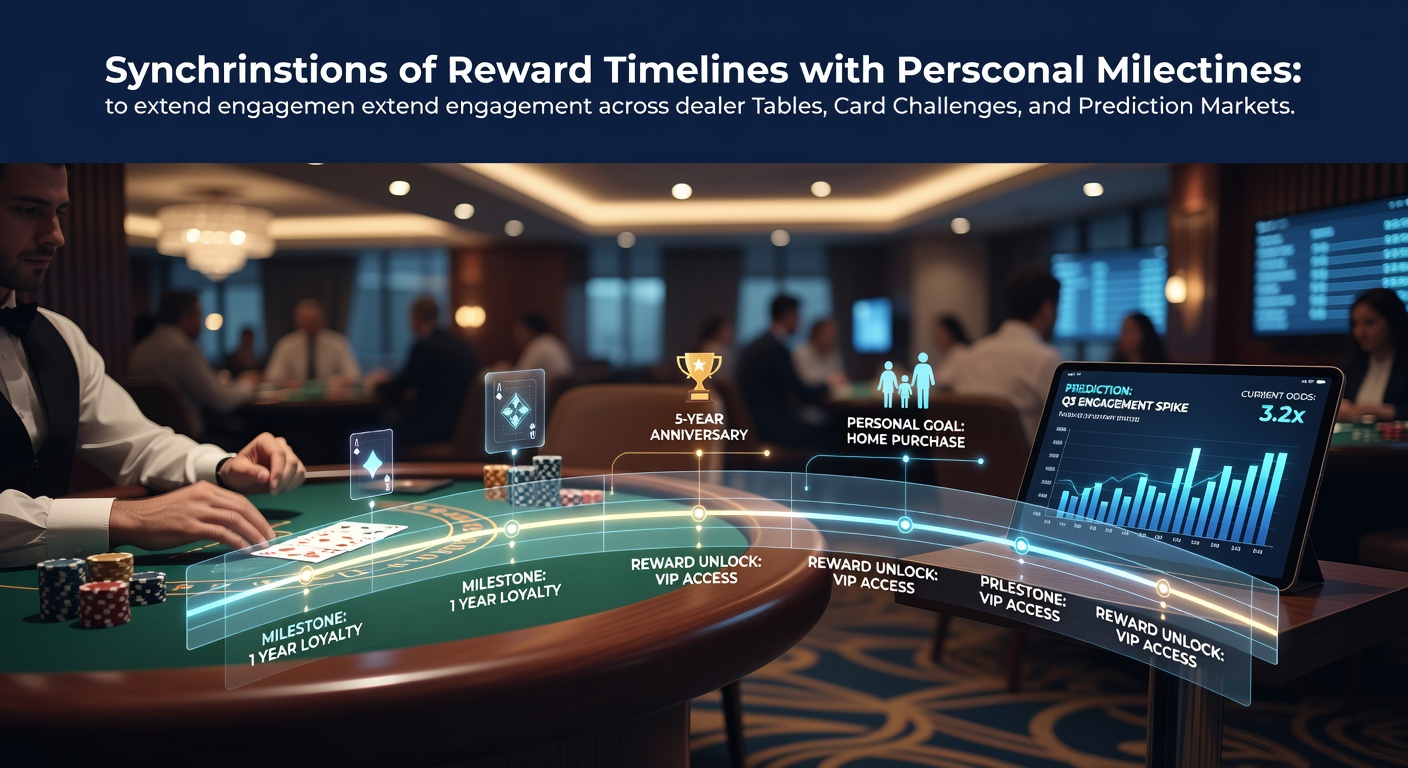
Operators in live dealer environments, poker rooms, and prediction markets have started aligning promotional timelines with user-submitted personal dates such as birthdays, anniversaries, and career achievements, and this practice has gained traction heading into June 2026 as platforms seek longer session durations and repeat visits. Data from multiple gaming jurisdictions shows that when reward windows open on or near these dates, participation rates in table games and betting markets rise compared with generic calendar promotions.
How Milestone Alignment Works in Practice
Platforms collect optional date information during account setup or through periodic profile updates, then trigger tailored offers that include deposit matches, free rounds on live tables, or boosted odds in prediction markets. A user who registers a wedding anniversary might receive a coded entry for a dealer-hosted roulette session plus a wager-free poker tournament ticket that activates automatically on the relevant weekend, whereas another player marking a work promotion could unlock enhanced prediction market limits during the same period. These mechanics rely on backend scheduling tools that integrate with existing loyalty systems rather than requiring separate marketing campaigns for each individual.
Live Dealer Table Applications
Live dealer studios have incorporated milestone triggers into their standard rotation schedules, allowing hosts to announce personalized bonuses during broadcasts when a registered date approaches. According to figures released by the Gaming Regulation Authority of Malta, synchronized promotions in blackjack and baccarat streams produced measurable increases in average session length during the first half of 2026. The same report notes that operators using automated date-matching systems recorded higher retention across mobile and desktop interfaces compared with those relying solely on weekly or monthly calendars.
Card Challenge Integration
Poker platforms apply similar logic by releasing targeted satellite entries or rakeback multipliers that coincide with player milestones. Observers note that multi-table tournaments scheduled around verified personal dates tend to attract more entrants from the existing user base, particularly when combined with mobile push notifications sent 48 hours in advance. Research conducted by the Canadian Gaming Association indicates that players who received milestone-linked tournament tickets in early 2026 completed more hands per session than those participating in standard scheduled events alone.

Prediction Market Extensions
In sports and event prediction markets, operators adjust odds boosts, cash-out thresholds, and no-deposit credits to align with user milestones, creating temporary market expansions that coincide with those dates. June 2026 features several major international tournaments whose schedules overlap with common anniversary periods, prompting platforms to pre-load personalized betting incentives that activate automatically for qualifying accounts. This approach allows users to engage with higher-stakes selections or additional prop markets without altering the overall platform risk parameters.
Technical Implementation Across Platforms
Most systems achieve synchronization through API connections between player databases and promotional engines, ensuring that offers generate only when both the milestone date and platform activity thresholds are met. Cross-category programs that span dealer tables, card rooms, and prediction markets use unified player profiles so that a single verified date can unlock layered rewards across all three verticals. Platforms report that these unified profiles reduce duplicate entries while maintaining compliance with jurisdictional data-handling rules.
Observed Patterns in June 2026
June has emerged as a period when many platforms refresh their milestone calendars because mid-year anniversaries and graduation dates cluster within a short window. Operators have adjusted notification timing to avoid overlap with major sporting calendars, instead focusing on smaller, recurring personal events that sustain engagement between headline tournaments. Figures released by regional regulators show consistent upticks in cross-vertical play when at least two reward types activate on the same milestone date.
Conclusion
Synchronization of reward timelines with personal milestones continues to expand across dealer tables, card challenges, and prediction markets as platforms refine their scheduling tools. The approach relies on verified user data, automated triggers, and coordinated promotions that activate on specific dates, producing measurable differences in session duration and vertical crossover during periods such as June 2026. As more operators adopt these methods, the underlying systems are expected to incorporate additional milestone categories while remaining within existing regulatory frameworks.