30 May 2026
Tracing Evolution of Entry-Level Incentives Into Tiered Recognition Systems Across Interactive Table Experiences and Competitive Prediction Markets
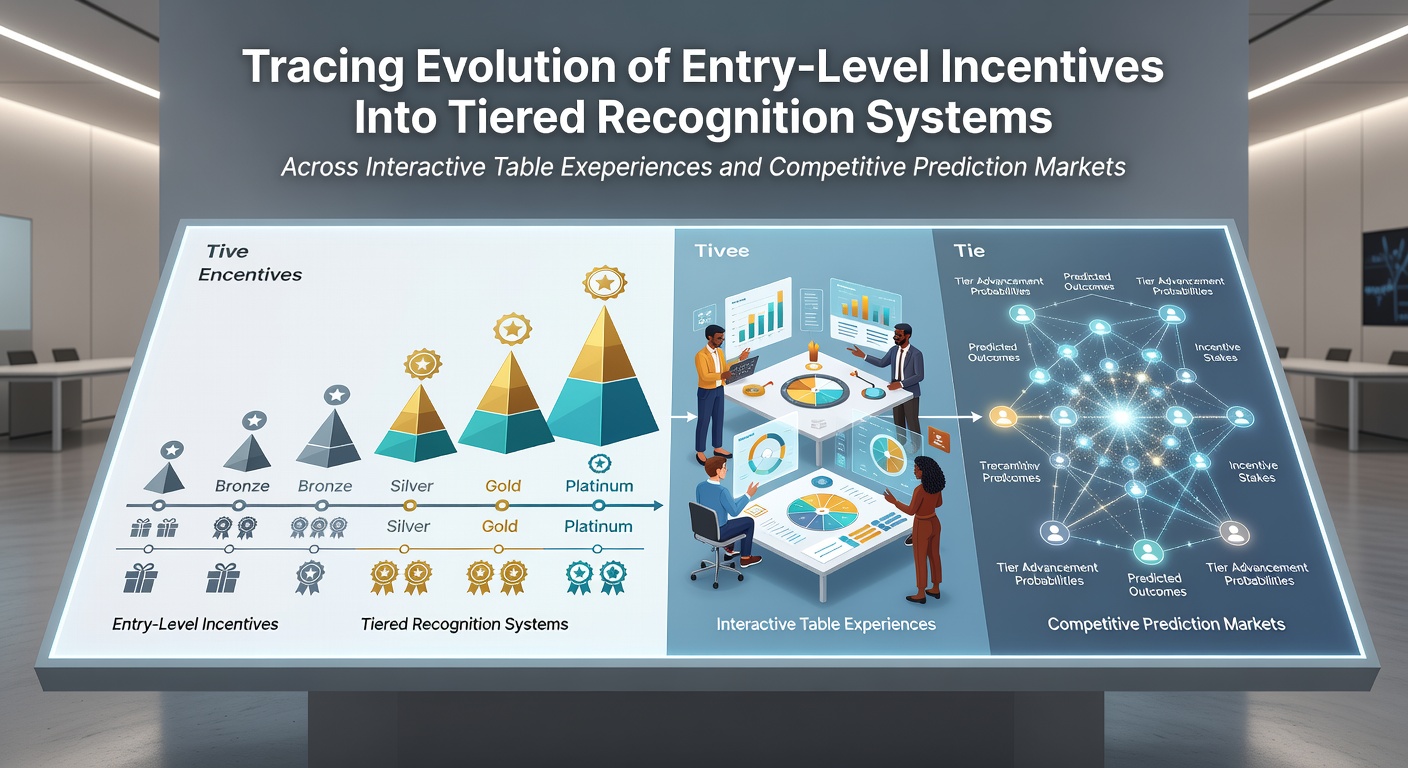
Entry-level incentives began as straightforward sign-up offers in early online gaming platforms, and they gradually developed into structured tiered recognition systems that reward sustained participation across interactive table experiences and competitive prediction markets. Observers trace this shift to changes in player retention strategies during the late 1990s and early 2000s, when basic deposit matches expanded because operators sought methods to maintain engagement beyond initial visits.
Initial Forms of Entry-Level Incentives
Early systems relied on no-deposit credits and free rounds that granted immediate access without financial commitment, and data from industry reports show these mechanisms increased registration rates by drawing in new participants who then explored table games such as blackjack and roulette. Those incentives operated on simple activation codes that unlocked limited play sessions, while the focus remained on acquisition rather than long-term progression.
Operators introduced coded entries that triggered additional rounds or small cash equivalents, and this approach created pathways where users could test environments without risk, according to figures from the Nevada Gaming Control Board. The structure emphasized quick entry points that funneled activity toward live dealer formats and emerging digital card rooms.
Expansion Into Layered Recognition Frameworks
Recognition systems evolved when operators began tracking cumulative activity metrics, and this led to tiered models that assigned status levels based on total wagers, session frequency, and game variety. Research indicates the transition accelerated around 2010 as platforms integrated loyalty points that converted into tier benefits including faster withdrawals, exclusive table access, and personalized promotions.
People who advanced through initial entry offers discovered automatic enrollment into bronze, silver, and gold categories, and these layers provided escalating rewards such as reduced wagering requirements on subsequent bonuses. The model connected entry perks directly to ongoing play patterns in both table settings and prediction environments.

Application in Interactive Table Experiences
Table environments adopted tiered recognition when live dealer streams incorporated real-time tracking of player decisions and bet volumes, and this integration allowed systems to reward consistent participants with invitations to private tables or higher limit rooms. Data shows that platforms offering these progressions retained users longer because entry incentives flowed naturally into status upgrades that unlocked dealer interactions and customized game variants.
Operators refined the process by linking table performance statistics to tier advancement, and examples include poker networks where early free tournament entries transitioned into ranked leaderboards with cash prizes and exclusive event access. The evolution created measurable progression markers that users could monitor through account dashboards.
Developments Within Competitive Prediction Markets
Prediction markets applied similar tier structures to sports and event wagering, where initial sign-up credits evolved into segmented reward tracks based on prediction accuracy and stake volume. Studies from academic sources such as the University of Sydney's gambling research unit reveal that these systems reward accurate forecasters with tier benefits including boosted odds on select markets and priority access to high-stakes contests.
Entry-level offers in these spaces often combine with mobile applications that log every bet outcome, and this data feeds into algorithms that assign users to appropriate recognition tiers automatically. The result connects casual prediction activity to sustained engagement programs that scale rewards with demonstrated skill levels.
Current Patterns Observed in May 2026
By May 2026 platforms had further integrated cross-category tracking that combined table performance with prediction market results into unified tier profiles, and regulatory updates in regions such as New Jersey and parts of Canada supported these unified systems through standardized reporting requirements. Operators now deploy algorithms that adjust tier thresholds dynamically based on aggregate platform data, ensuring entry incentives continue feeding into higher recognition levels without manual intervention.
Cross-device continuity became standard because users expect rewards earned on desktop tables to apply immediately within mobile prediction interfaces, and this seamless flow reflects the matured evolution from isolated entry bonuses to comprehensive recognition architectures.
Conclusion
The progression from basic entry incentives to tiered recognition demonstrates a sustained industry adaptation across interactive tables and prediction markets, with measurable impacts on user retention and activity patterns documented through regulatory and academic channels. Continued refinement in May 2026 highlights how initial access mechanisms now serve as foundations for layered systems that scale benefits according to participation depth.