22 Jun 2026
Tracing Evolutionary Paths of Coded Entry Benefits Toward Comprehensive Loyalty Frameworks in Mobile-Enabled Card and Odds Environments
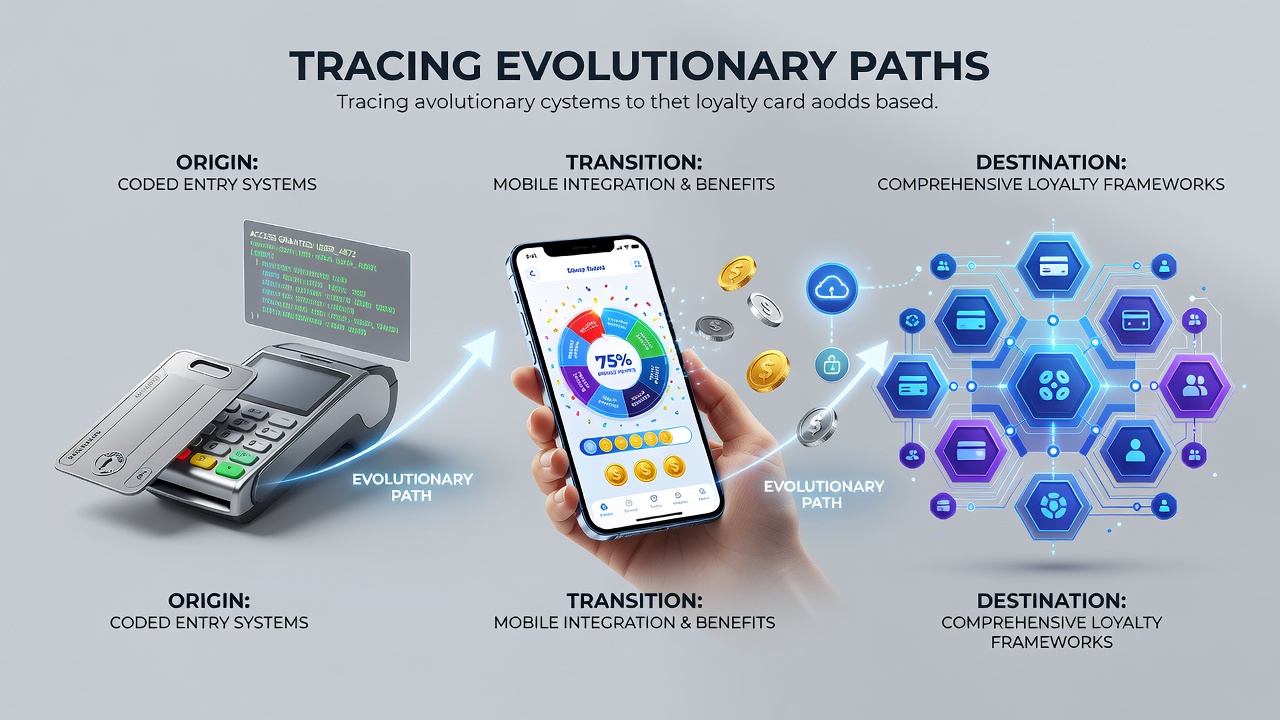
Developments in coded entry benefits have followed distinct trajectories since the early 2010s when digital platforms first integrated alphanumeric sequences to unlock initial player incentives, and these sequences gradually merged with backend systems that tracked user activity across sessions. Mobile technology accelerated this integration by allowing real-time data capture from card tables and odds platforms, which created pathways from one-time redemptions toward sustained engagement structures that reward cumulative participation rather than isolated actions.
Initial Coded Mechanisms in Digital Card and Betting Spaces
Early coded systems operated through static redemption portals where users entered sequences to access limited-time credits or multipliers in poker rooms and sports wagering interfaces, according to industry analyses from the American Gaming Association. These entry points relied on manual verification processes that limited scalability, yet they established foundational data points on user acquisition patterns that later informed more adaptive frameworks. By the mid-2010s operators began embedding codes within mobile applications, which reduced friction during onboarding and allowed immediate linkage to player profiles that recorded frequency of play in both card simulations and live odds markets.
Transition to Integrated Data Ecosystems
Platform providers shifted focus during the late 2010s when mobile device penetration reached critical thresholds, enabling continuous synchronization between coded redemptions and behavioral metrics. Research from the University of Nevada's gaming studies program documented how these connections transformed isolated benefits into layered progressions where initial code usage triggered tier assignments that unlocked additional features over successive weeks. Card environments saw particular expansion because virtual table interfaces could log decision patterns alongside redemption events, while odds platforms incorporated live event data to adjust reward multipliers dynamically based on wager volume and outcome distributions.
Mobile-Specific Adaptations in Loyalty Structures
Smartphone applications introduced geolocation and push notification capabilities that extended coded entry logic beyond simple activation into ongoing framework components, and this evolution became evident as operators linked mobile sessions to unified loyalty ledgers that spanned multiple game categories. Data from Australian regulatory reports indicate that by 2023 mobile users accounted for over 65 percent of coded redemptions in combined card and betting environments, prompting developers to prioritize seamless handoffs between free-entry triggers and tiered status indicators visible within the same interface. Those who've examined these systems note that algorithmic weighting of activity types allowed platforms to balance incentives across low-stakes card play and higher-variance odds selections without requiring separate tracking modules.
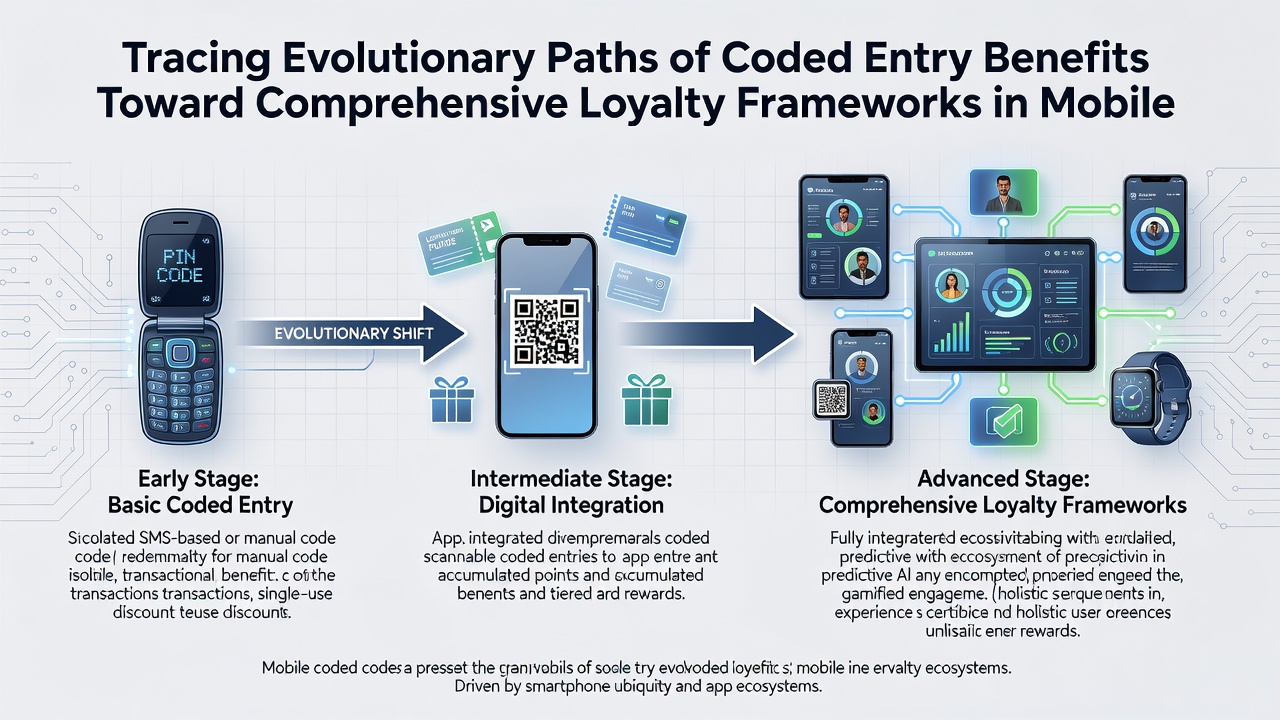
June 2026 marks a period where several major operators completed migrations to cloud-based loyalty engines capable of processing coded inputs across global mobile networks with sub-second latency, and this technical milestone reflects cumulative refinements that began with basic verification scripts. European trade group publications have tracked how these engines now correlate entry codes with predictive models that anticipate player progression paths, allowing preemptive allocation of framework resources such as exclusive table access or odds adjustment tools.
Case Patterns Across Card Rooms and Odds Markets
Observers have documented parallel yet distinct implementations where card-focused platforms emphasize social and strategic milestones tied to coded redemptions, whereas odds environments prioritize volume-based thresholds that accumulate across multiple events. One documented implementation in Canadian provincial systems integrated coded benefits directly into provincial lottery-linked apps, which created hybrid loyalty paths connecting digital card sessions with sports outcome predictions through shared point ledgers. Such configurations demonstrate how initial entry mechanisms function as gateways rather than endpoints, feeding structured data into frameworks that adjust reward density according to individual engagement curves.
Regulatory and Technical Influences on Framework Maturity
Compliance requirements from bodies such as the Malta Gaming Authority have shaped framework architecture by mandating transparent logging of all coded benefit flows into centralized audit trails, and this obligation encouraged operators to develop mobile interfaces that display real-time loyalty status alongside redemption history. Technical standards emerging from IEEE working groups on gaming interoperability further supported these advances by standardizing data exchange formats between card simulation engines and odds calculation modules, which reduced fragmentation that previously hindered cross-environment loyalty tracking.
Conclusion
The progression from standalone coded entries to embedded loyalty frameworks continues to rely on mobile infrastructure that captures granular activity data across card and odds domains, with 2026 representing an inflection point where predictive integration has become standard rather than experimental. Evidence from multiple regulatory jurisdictions and academic tracking efforts shows consistent patterns of increasing system sophistication without reliance on any single geographic model, as operators adapt core principles to local platform requirements and user behavior distributions.