30 Jul 2026
Tracing Incentive Pathways from Signup Rewards Through Activation Codes to Ongoing Loyalty Structures in Mobile Table Games and Betting Systems
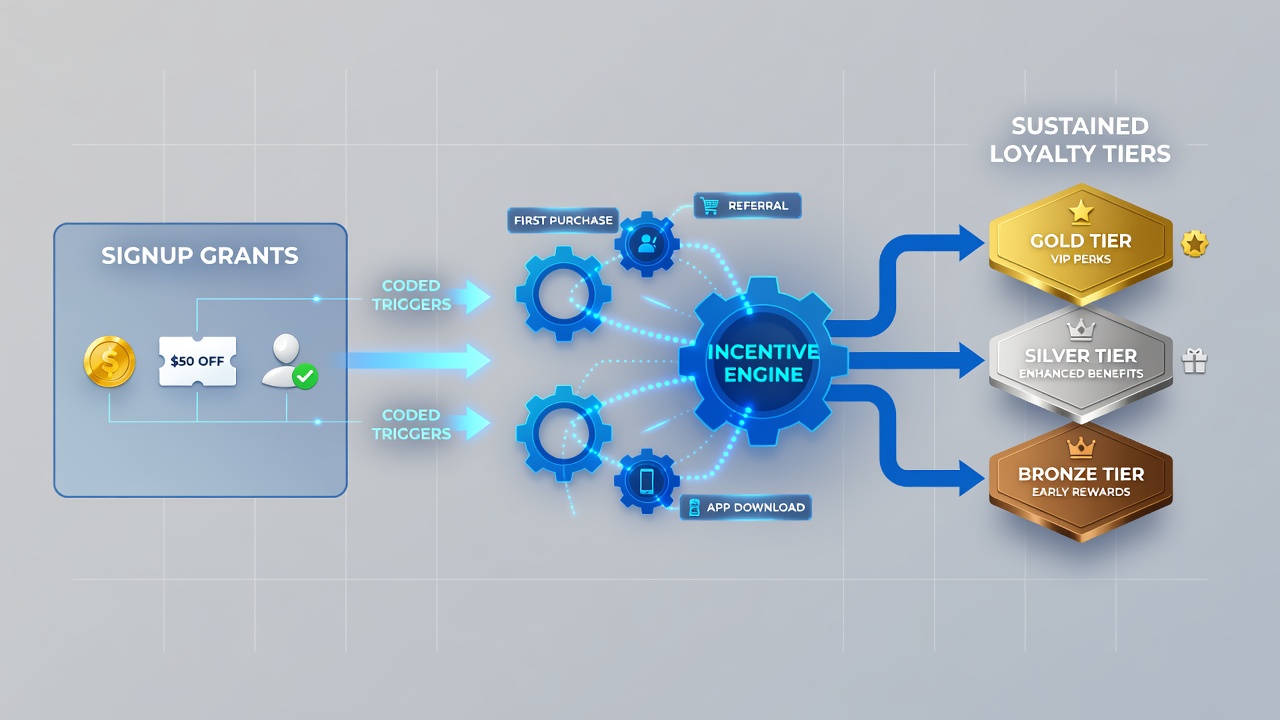
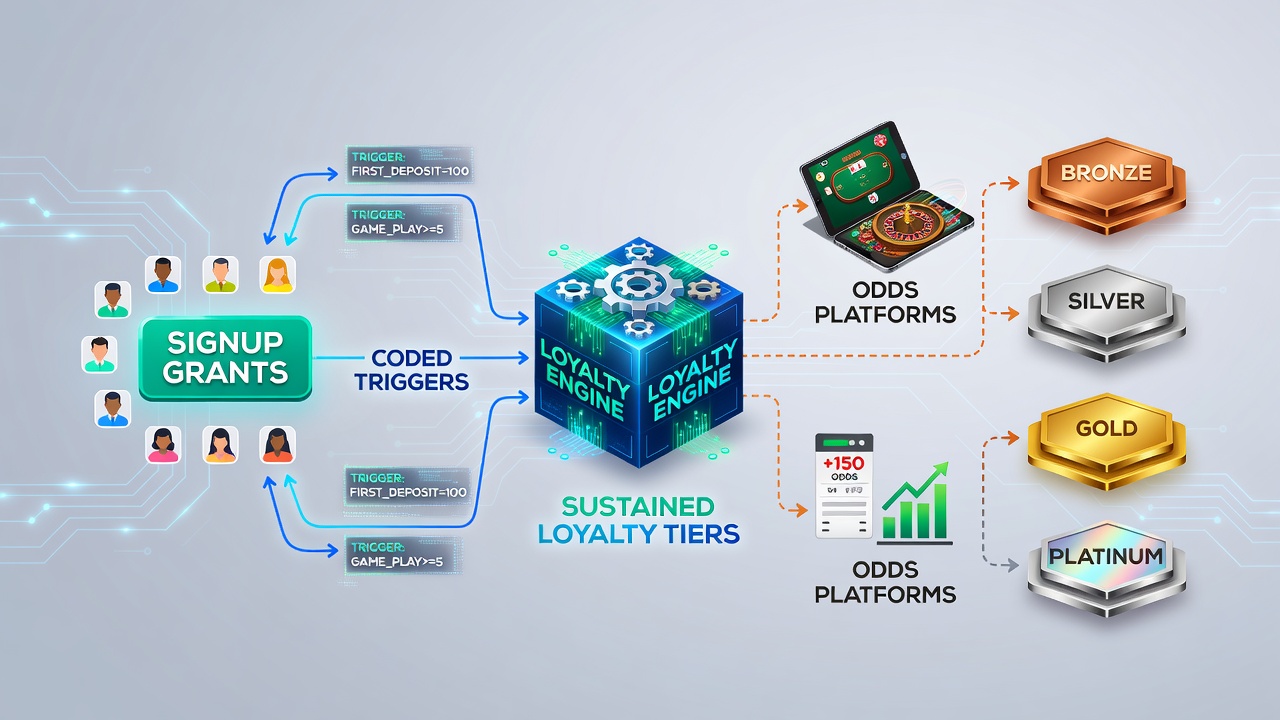 Data from industry analyses shows that signup grants typically initiate the incentive sequence in portable table games and odds platforms, where new accounts receive initial credits or spins that convert into playable balances upon verification. Observers note these grants often include specific wagering conditions that must clear before funds become withdrawable, and the process sets the foundation for subsequent layers of rewards. In July 2026, platform operators reported increased integration of these entry-level incentives with mobile applications, allowing users to access table games such as blackjack and roulette directly through handheld devices while tracking progress toward higher reward brackets. The flow continues when coded triggers activate additional benefits, such as extra credits or multiplier boosts, entered via promotional fields in user accounts.
Activation Through Coded Triggers
Coded triggers serve as the bridge between initial grants and sustained participation, with alphanumeric sequences distributed through emails, partner sites, or in-app notifications that unlock layered rewards once applied. Researchers at various regulatory bodies have documented how these codes tie directly into backend systems that monitor play patterns across portable table games, adjusting eligibility for further incentives based on volume and frequency of activity.
Platform data reveals that successful code redemption often requires completion of minimal play thresholds in games like video poker or roulette variants, after which users advance toward loyalty accumulation points that persist beyond single sessions. Those who've examined operator reports find that coded mechanisms reduce friction in reward delivery while maintaining compliance with jurisdictional rules on promotional transparency.
Progression Into Sustained Loyalty Tiers
Loyalty tiers build on the momentum created by signup grants and coded activations, converting one-time rewards into recurring benefits that scale with continued engagement in both table games and betting environments. According to American Gaming Association research, tier advancement frequently incorporates metrics such as total wagered amounts and session duration, granting access to enhanced payout rates or exclusive game modes once thresholds are met.
Portable table game environments demonstrate particular efficiency in this progression because mobile interfaces allow real-time point tracking and instant tier notifications, encouraging users to maintain activity across multiple device sessions. In parallel, odds platforms integrate similar structures where betting on events contributes to loyalty balances that unlock cashback or free bet options at higher levels.
Integration Across Portable Table Games and Odds Platforms
Cross-platform flows emerge when loyalty points earned in table games transfer or influence eligibility within odds sections, creating unified progression paths that operators manage through centralized account systems. Figures from the European Gaming and Betting Association indicate that such integration increased user retention metrics during 2025 and into mid-2026, as players moved seamlessly between roulette sessions and sports wagers while accumulating tier status.
Operators structure these systems so that coded triggers applied in one category can accelerate progress in another, for example by awarding bonus points redeemable across live dealer tables and accumulator bets. Observers note that this interconnected approach relies on algorithmic monitoring to prevent abuse while ensuring rewards align with actual play volume.
Conclusion
The overall sequence from signup grants through coded triggers to loyalty tiers forms a measurable pathway that platforms refine continuously based on user data and regulatory updates. In portable table games and odds platforms, these mechanisms operate together to sustain engagement without requiring separate enrollment steps for each reward layer. Continued monitoring by industry groups shows steady refinement of these flows through 2026, with emphasis on mobile accessibility and transparent tracking.